
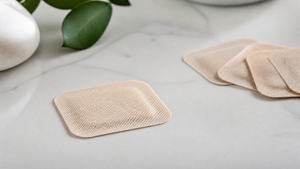

Stiffness in a knee or a persistent ache in the lower back can pull focus from everything else in a day. Many people reach for pills, but topical patches are another option — and some are not what they seem. Tidesmit Mobility Support Relief Patches – 22 PC Transdermal Massager fall into a category called transdermal massagers, which are non-medicated devices designed to work through nerve stimulation rather than drug delivery. Understanding what they are — and what they are not — can help you decide if they fit into a pain management routine.
Pain relief patches come in several forms, from heat plasters to prescription drug patches. The lines between them can blur, so a closer look at the technology behind transdermal massagers clarifies the choice.
What Is a Transdermal Massager?
A transdermal massager is a non-medicated patch that uses technology — often described as bio-frequency or similar signaling — to stimulate nerves in the area of discomfort. It does not contain or deliver pharmaceutical drugs like lidocaine or fentanyl. Instead, the device is designed to interact with the body’s bioelectric system, with the aim of providing targeted relief without the systemic side effects sometimes associated with oral or medicated patch options, according to the Hansaplast overview of pain patch types.
This separates transdermal massagers from medicated patches, which work by releasing analgesic or anti-inflammatory agents through the skin. A lidocaine patch, for example, numbs the area directly, while a fentanyl patch delivers a potent opioid for systemic pain control. The transdermal massager category, by contrast, is meant to stimulate local nerves through energy transfer, not medication. Restore Patch, a company that markets bio-frequency patches, describes its technology as using light frequency and matter wavelength principles to influence the body’s bioelectric signals. Transdermal massagers like the Tidesmit patches are presented as part of this broader category of pain relief patches, which also includes heat therapy and wellness patches that rely on ingredients like ayurvedic herbs.
The absence of drugs does not mean these patches are risk-free, but it does change the conversation about side effects and drug interactions. That distinction is worth holding onto when you’re scanning labels.
How Does Bio-Frequency Technology Work?
The term “bio-frequency” might sound like a buzzword, but the idea draws on several well-established physics and biology concepts. Restore Patch, for instance, cites foundational research from Tufts and MIT on bioelectric code mapping, which explores how the body’s cells use electrical signals to communicate and coordinate healing. The theory is that a patch can emit a frequency that nudges these signals back toward a more balanced state, the way a tuning fork can reinforce a note.
The theoretical underpinnings also reference two Nobel Prize-winning insights: Einstein’s work on light frequency, which showed that light carries energy in discrete packets, and Louis de Broglie’s discovery that matter has a wavelength. Together, these suggest that a specifically designed patch could transmit a frequency that interacts with the body’s bioelectric system. It’s important to note that these studies are not direct tests of the patches themselves. No published research has measured whether a transdermal massager alters nerve signaling in a way that reduces pain. The citations serve as the scientific backdrop, not as proof of clinical effect.
For someone using a Tidesmit patch, the practical takeaway is simpler: the device is built on the idea that your body’s electrical environment matters, and that a gentle external signal might help it recalibrate. Whether that translates to noticeable relief is an individual experience, and the technology is best understood as a non-medicated attempt to work with the body’s own signaling, not a drug or a nerve block.
Risks and Considerations
Even a non-medicated patch can cause trouble if you’re not careful. The most common issue is skin irritation from the adhesive, which can range from mild redness to a rash. Hansaplast’s guide to pain patches notes that allergic reactions to the adhesive or materials are possible, and that any patch should be removed if the skin becomes uncomfortable. A patch applied to broken or irritated skin can worsen the condition, so it’s wise to choose a clean, dry area of intact skin.
If you have a medical condition, are pregnant, or use other medical devices or patches, a conversation with a healthcare professional is a good idea before you start. While transdermal massagers don’t add drugs to your system, the electrical signaling could theoretically interfere with other devices, and your doctor can help weigh any unknowns. The same caution applies if you’re already using a medicated patch — stacking multiple devices on the same spot without guidance is not recommended.
Patch overuse is another point to watch. The impulse to keep a patch on indefinitely or to replace it too quickly can lead to skin breakdown or masking a pain signal that actually needs medical attention. A transdermal massager is not a substitute for professional diagnosis or treatment, and pain that persists or worsens while using one should prompt a call to your doctor.
How to Use Transdermal Patches Safely
Proper application is simple but matters. Start with clean, dry skin — wash the area with mild soap, pat it dry, and avoid lotions or oils that can block adhesion. Place the patch on the area you want to target, but avoid joints or spots that bend frequently, as movement can loosen the adhesive. Press firmly and smooth out any air bubbles. The manufacturer’s instructions will tell you how long to leave the patch on; some non-medicated patches, like those from Restore Patch, are designed to last up to three days. Do not assume that duration applies to every brand. Always check the packaging for your specific patch.
If you feel itching, burning, or any unusual sensation, remove the patch right away and wash the skin. A bandage over the patch does not fix irritation — it just traps the irritant. If the reaction doesn’t settle quickly, get medical advice.
Tidesmit Mobility Support Relief Patches
A non-medicated transdermal massager for targeted relief, the Tidesmit Mobility Support Relief Patches come in a 22-count pack. The intended use is for mobility support — meaning they are positioned as a way to ease discomfort that follows movement, stiffness, or overuse. Because they contain no drugs, they are not a replacement for prescription pain patches, but they can be a drug-free option to try alongside other approaches like stretching or cold therapy.
Follow the application instructions that come with the product. Clean the skin, apply the patch, and do not exceed the recommended wear time. Since the Tidesmit patches are a transdermal massager, not a medicated patch, there is no standard duration like the three-day claim from Restore Patch; the manufacturer’s directions are your best guide. With 22 patches in a box, you have enough to use over several weeks, which can give you time to see if the approach fits your needs.
Frequently Asked Questions
What is the difference between a transdermal massager and a medicated patch?
A medicated patch delivers a drug — like lidocaine (a numbing agent) or fentanyl (a strong opioid) — through the skin to either a local area or the whole body. A transdermal massager contains no medication; it uses technology such as bio-frequency to stimulate nerves. The risk profile differs: medicated patches carry potential side effects from the drug itself, while transdermal massagers are more likely to cause adhesive-related skin irritation. Always consult a doctor to understand which option is appropriate for your situation.
Can I use a transdermal massager with other pain relief patches?
Applying multiple patches to the same area is not recommended without medical advice. A transdermal massager and a medicated patch could interfere with each other, or the combination might overstimulate the skin. If you're considering using a transdermal massager alongside another device or patch, talk with a healthcare professional first to avoid unexpected reactions or reduced effectiveness.
