


Welcome to Clean Beauty 101
Why Ingredient Awareness Matters
Your skin absorbs what you put on it, yet U.S. cosmetics regulation is minimal. The FDA has banned only 11 cosmetic ingredients, while the European Union bans over 1,300. Many products contain undisclosed chemicals—especially under “fragrance”—that may disrupt hormones or cause irritation. Knowing what’s inside helps you avoid unnecessary risks.
Key Concepts of Clean Beauty
Clean beauty means products formulated without ingredients linked to health or environmental harm—like parabens, phthalates, sulfates, and synthetic fragrances. The term is not regulated, so “clean” can vary by brand. Transparency, non-toxicity, and often cruelty-free and sustainable practices are hallmarks, but always verify claims with third-party certifications (EWG Verified, Leaping Bunny).
How to Read a Label
Ingredients are listed in descending order by weight. The first five make up most of the product. Watch for red flags: parabens (methyl-, propyl-), sulfates (SLS, SLES), phthalates (often hidden in “fragrance”), and formaldehyde-releasers (DMDM hydantoin). Look for recognizable botanical oils, humectants like glycerin, and preservatives like sodium levulinate. Use databases like EWG Skin Deep to check unknown items.
Defining Clean Beauty

What does 'clean beauty' mean?
Clean beauty refers to a personal‑care movement that seeks products free of known harmful chemicals such as allergens, endocrine disruptors and potential carcinogens. The term is not legally defined, so brands use their own criteria and rely on transparent ingredient lists, third‑party certifications, and consumer education to signal safety. The focus is on ingredient awareness rather than vague “natural” claims.
Why is clean beauty important?
Clean beauty helps protect skin from irritation, hormonal disruption and long‑term health risks associated with harsh chemicals. It also promotes cruelty‑free testing, sustainable sourcing, and eco‑friendly packaging, aligning personal wellness with planetary health.
Is clean beauty really better for your skin?
Safety depends on formulation, not just the clean label. Many synthetic actives (e.g., peptides, ceramides) are safe and effective, while some natural ingredients can cause irritation. Clean beauty offers safer alternatives, but efficacy still hinges on proper ingredient choice and skin‑type compatibility.
Benefits of Going Clean
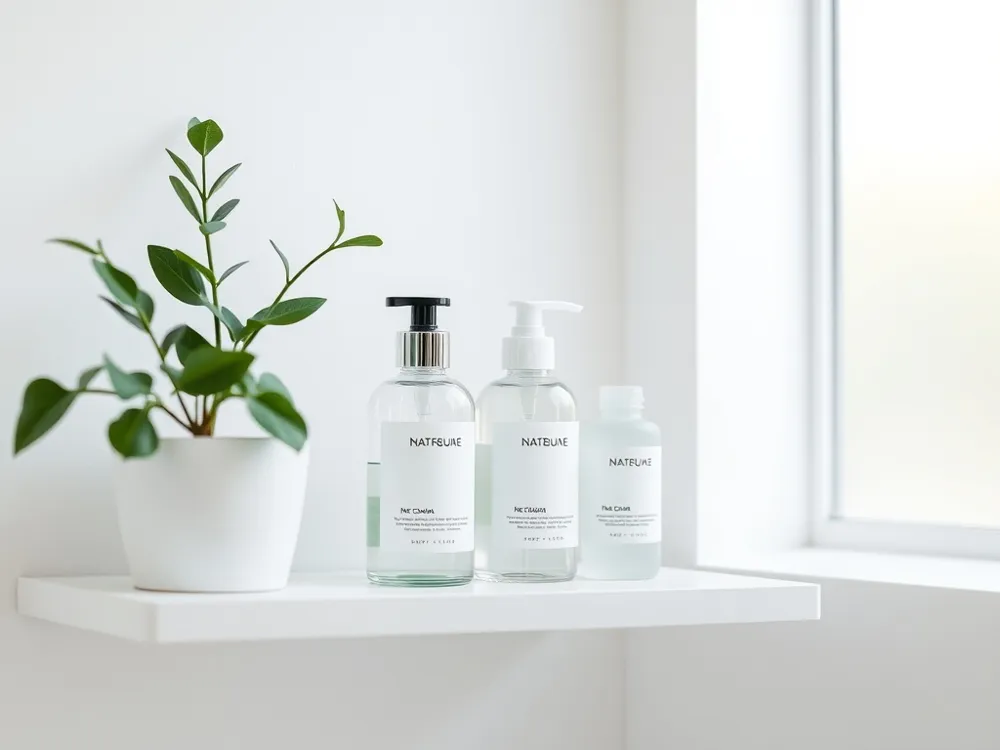
What are the health advantages of switching to clean beauty?
Clean beauty products are formulated without many ingredients linked to irritation and health concerns. Avoiding parabens, phthalates, sulfates, and synthetic fragrances reduces the risk of skin reactions, hormone disruption, allergic reactions, and endocrine disruption, and long-term health effects. By using gentle, plant-based ingredients and natural preservatives, clean formulations support healthier skin barrier function and are often hypoallergenic, making them suitable for sensitive skin.
How do clean beauty brands support ethics and sustainability?
Most clean beauty brands prioritize ethical and sustainable practices. They are often cruelty-free and often certified (e.g., Leaping Bunny, PETA). Many use sustainable packaging materials like glass, aluminum, biodegradable or recyclable containers, and focus on ethical sourcing of ingredients, reducing environmental impact on marine life and supporting fair trade and organic farming.
Do clean beauty products perform as well as conventional ones?
Yes. Clean beauty products often use research-backed natural and plant-derived actives such as hyaluronic acid, vitamin C, niacinamide, peptides, and antioxidants. These ingredients provide effective hydration, brightening, anti-aging, and skin barrier support. Many brands demonstrate clinical efficacy, delivering high performance comparable or even superior results without harsh synthetic chemicals.
Dirty Ingredients to Dodge
Common ‘Dirty’ Beauty Ingredients to Avoid
Typical ingredients flagged in clean beauty include ethanolamine compounds (cocamide DEA, MEA, TEA) linked to liver tumors, parabens (butyl-paraben) that mimic estrogen, and UV filters like octinoxate and oxybenzone, which are endocrine disruptors. Formaldehyde-releasing preservatives (DMDM hydantoin, diazolidinyl urea) are carcinogenic. Polyacrylamide, PTFE, and petrolatum may carry contaminants such as acrylamide, PFOA, or PAHs. BHA, carbon black, coal-tar dyes, and undisclosed fragrance blends can hide toxic chemicals.
Most Harmful Ingredients in Skincare
The most hazardous skincare ingredients are UV filters (oxybenzone, octinoxate, homosalate), polyacrylamide and PTFE (potential contamination), petroleum-derived petrolatum (PAH contaminants), formaldehyde-releasing preservatives, parabens, and ethanolamine surfactants. These appear in moisturizers, sunscreens, cleansers, and makeup, making label vigilance essential.
Ingredients That Qualify as Clean in Beauty Products
Clean beauty leans on safe, plant-derived ingredients: botanical extracts like chamomile, aloe vera, and green tea; plant oils like jojoba, argan, and rosehip; naturally sourced actives (hyaluronic acid, fruit-derived vitamin C); essential oils for fragrance when used judiciously; and natural preservatives (radish-root ferment filtrate, rosemary extract). These components are transparent, non-toxic at typical use levels, and environmentally friendly.
Skincare Basics for Beginners
How to learn skincare for beginners?
Start with a simple five-step routine: cleanse, tone, treat, moisturize, and protect. Choose a gentle cleanser, a pH-balancing toner, a targeted serum (e.g., vitamin C or niacinamide), a hydrating moisturizer, and daily SPF. Match product texture to your skin type—gel for oily, cream for dry. Introduce active ingredients slowly. Consistency matters more than complexity.
Morning vs. evening focus
In the morning, prioritize protection: antioxidant serum (like vitamin C), moisturizer, and broad-spectrum sunscreen. In the evening, focus on repair: a retinol or peptide treatment, followed by a richer night cream. Always allow absorption time before bed.
What are the '7 deadly sins' of skincare to avoid?
Avoid these common pitfalls: (1) skipping sunscreen, (2) over-drying the skin, (3) applying products out of order, (4) applying actives right before bed without absorption time, (5) improper makeup removal, (6) neglecting the neck and décolletage, and (7) assuming natural = safe or that tingling equals efficacy. Steer clear of these mistakes to preserve the skin barrier and maximize product performance.
Brands, Trends and the ‘Clean Girl’ Look
Top Clean Beauty Brands
Leading clean beauty brands such as ILIA, Tata Harper, and Beautycounter prioritize transparent ingredient lists, cruelty‑free testing, and sustainable packaging. Beautycounter follows EU standards, excluding over 1,500 potentially harmful chemicals. Others like Kosas and Hourglass Cosmetics offer vegan luxury, proving that clean formulations can deliver high results.
Clean Girl Makeup Philosophy
The “clean girl” aesthetic emphasizes a minimalist, no‑makeup look: lightweight coverage (BB creams or tinted moisturizers), dewy skin, and minimal eye definition. This approach contrasts with traditional heavy‑foundation routines that mask natural texture. Skincare preparation is key, making the skin appear healthy rather than covered.
Performance vs. Traditional Makeup
Clean beauty has advanced significantly; natural formulations now rival traditional products in staying power and finish. While traditional makeup relies on synthetic fillers for coverage, clean brands use plant‑based oils, butters, and waxes to create effective, long‑lasting products that feel lighter on the skin and support long‑term skin health.
Regulation, Certification and Consumer Tools

Lack of Legal Definition
The FDA does not define "clean beauty" and bans only 11 cosmetic ingredients, while the EU prohibits over 1,300. This regulatory gap enables greenwashing with unregulated terms like "natural" or "non-toxic." Consumers must rely on third-party certifications for guidance.
Key Certifications
USDA Organic requires at least 95% organic content. Leaping Bunny certifies no animal testing. EWG VERIFIED meets strict transparency and safety standards verified by toxicologists. These certifications provide reliable benchmarks against greenwashing.
Consumer Tools
The EWG Skin Deep database rates over 145,000 products on a 1–10 hazard scale. Apps like Think Dirty and Clearya scan barcodes to flag concerning ingredients. These tools are essential for navigating unregulated claims.
Your Next Steps in Clean Beauty
Start with a single product
Transitioning to clean beauty does not require a complete overhaul. Begin by replacing one daily item—like your cleanser or moisturizer—with a cleaner version. This lets you observe skin response without disruption.
Use tools like EWG Skin Deep and ingredient databases
Assess products independently. The EWG Skin Deep database rates over 145,000 products on a 1–10 toxicity scale. Apps like Clearya and Think Dirty scan barcodes to flag concerning chemicals, enabling informed decisions.
Seek certifications for confidence
Third-party seals provide accountability. Look for USDA Organic (≥95% organic content), Leaping Bunny (cruelty-free), EWG VERIFIED, or Made Safe. These indicate rigorous, transparent standards beyond marketing.
