
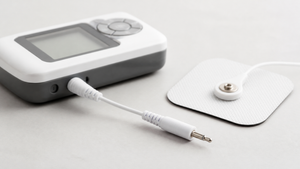

A TENS unit's lead wire doesn't look like much—just a thin cord with a few connectors—but it's the quiet workhorse of the whole setup. Without it, the electrical pulses that interrupt pain signals never reach the skin. Understanding what that wire does, how it fits into insurance billing, and when to replace it can save you from a therapy session that suddenly stops working.
For anyone relying on a TENS unit for daily pain management, a broken lead wire isn't a minor inconvenience; it's a gap in care. And because insurance coverage for replacement supplies follows specific rules, it helps to know the codes and the care habits that keep your device running consistently.
What Is a TENS Unit Lead Wire?
Think of a lead wire as the bridge between the TENS device's circuitry and the electrode pads on your skin. It carries the mild electrical current from the unit's output jack to the electrodes, which then deliver the stimulation to the targeted nerve fibers. A loose connection or a frayed wire can weaken the signal, making the session less effective or causing a sharp, uncomfortable sensation when the contact breaks.
The lead wire is not the same thing as the electrode. Electrodes are the sticky pads that adhere to your skin; they have a conductive gel layer and a snap or pin connector. The lead wire plugs into that connector. Most home-use TENS units, including the Tidesmit Professional TENS Unit Lead Wire, use a 2.5mm pin connector, which is the standard for a wide range of devices. A secure fit is essential—if the wire wiggles out during a session, the therapy stops, and you might not notice right away.
How TENS Therapy Works: The Evidence
The theory behind TENS is rooted in the gate control model of pain. High-frequency stimulation (above 50 Hz) activates large-diameter A-beta sensory fibers, which can inhibit the transmission of pain signals from smaller A-delta and C fibers at the spinal cord level. Essentially, the buzzing sensation competes with the pain signal, and the brain pays more attention to the buzz. Low-frequency TENS (below 10 Hz) takes a different route, triggering motor-level contractions that may release endogenous opioids—a kind of built-in pain relief.
But the clinical evidence is a mixed bag. A 2015 Cochrane review by Johnson et al. looked at acute pain trials and found some evidence that TENS reduces pain intensity more than a placebo, but the overall quality of the studies was low. For chronic conditions, the picture is even less clear. An influential 2008 task force on neck pain concluded that TENS offered no clinically significant benefit. That doesn't mean it never helps—about 44% of individuals report a meaningful reduction in pain, according to the source—but it's far from universal. The experience can be highly individual, and the sensation itself isn't for everyone.
One caveat: repeated use at the same frequency and intensity may lead to analgesic tolerance within a few days, as shown in some studies. Varying the settings or taking breaks might help maintain the effect, but the research here is thin. For many users, the real test is a 30-day trial, as outlined in Medical Policy MED201.040, which recommends daily or near-daily use to see if the therapy provides a sustained benefit.
TENS Lead Wire Replacement: Insurance Codes and Coverage
When it's time to order new lead wires, the Healthcare Common Procedure Coding System (HCPCS) has two codes that matter. Which one applies depends on whether your TENS unit is a rental or a purchase, and whether you're using a two-electrode or four-electrode setup. A service described in a policy is not a guarantee of coverage, but knowing the codes helps you talk to your insurer.
A4595: Replacement Supplies
This code covers the bundle of supplies included with a TENS unit rental or purchase. For a two-electrode system, the allowance is two leads per month, billed as one unit of A4595. If you have a four-electrode system, the quantity doubles to four leads per month, billed as two units. The first month of a rental already includes the necessary supplies, so providers shouldn't bill A4595 separately at that point. The code is meant for ongoing replacement, not the initial kit.
A4557: Replacement Lead Wires
For most standard home units like the Tidesmit Professional wire, A4557 is the more straightforward code. It covers replacement lead wires for a two-electrode system at one unit per year. If you're using a four-electrode unit, the allowance is two units per year. This is the code that matches the typical annual replacement rhythm—a good target for anyone who wants to keep their lead wires from becoming the weak link in the therapy chain.
Coverage requires a prescription or signed order from a healthcare provider, and that order must be renewed annually. Some plans treat TENS supplies as durable medical equipment (DME), while others may not. Always check your specific benefit plan, as the presence of a code doesn't mean your insurer will pay.
Caring for Your TENS Lead Wires and When to Replace Them
With a little care, a lead wire can last a full year before needing replacement. Avoid twisting the cord when you unplug it from the electrodes or the device; grip the connector itself, not the wire. After use, coil the wire loosely and store it in a dry place. A damp cloth is enough to wipe away any gel residue, but don't submerge the wire or use harsh cleaners.
Signs of wear are usually obvious: the stimulation cuts in and out, the wire casing feels brittle or shows exposed copper, or the connector pins look corroded. If the unit beeps an error code or the intensity feels inconsistent, a new lead wire is often the simplest fix. Even without visible damage, replacing the wire at least once a year aligns with the A4557 replacement schedule and is a sensible habit for consistent therapy.
Tidesmit Professional TENS Unit Lead Wire: A Compatible Replacement
The Tidesmit Professional TENS Unit Lead Wire is built for the standard 2.5mm pin connector found on most home TENS devices. It's a straightforward replacement for a two-electrode system, fitting into the A4557 code category—one unit per year. If your unit's original wire has started to fray or the connection feels loose, this wire is a reliable option that doesn't require guesswork about compatibility. It's not a high-tech accessory, but that's the point: it does the job without adding complexity.
Risks and Contraindications of TENS Use
TENS therapy is generally low-risk, but it's not for everyone. Anyone with a pacemaker, implantable cardioverter-defibrillator (ICD), or other implanted electronic device should avoid TENS entirely—the electrical current can interfere with device function, potentially triggering inappropriate treatment. Pregnant women are advised to use TENS only under medical supervision, and some clinicians recommend avoiding it during the first trimester or over the abdomen. Damaged or irritated skin beneath the electrodes creates a pathway for excessive current; active rashes, open wounds, or infections are a no-go.
Common side effects include skin irritation or erythema under the electrode pads, often due to the adhesive or prolonged wear. Some users simply dislike the tingling or buzzing sensation, which can be uncomfortable even at low intensities. A few studies have noted that incorrect placement—especially on the front of the neck or over the eyes—can cause adverse reflexes or discomfort. The Wikipedia entry on TENS summarizes these contraindications clearly, and the source serves as a useful quick reference for safety boundaries.
Frequently Asked Questions About TENS Lead Wires
How often should I replace my TENS lead wires?
Replace them at least once a year, which matches the A4557 insurance code's allowance for a two-electrode system. If the wire shows visible wear, causes intermittent stimulation, or the connectors feel loose, don't wait—swap it out sooner.
Will my insurance cover TENS lead wires?
Many plans cover TENS supplies under durable medical equipment benefits when a healthcare provider has written a prescription, but coverage is not guaranteed. You'll need to verify with your specific plan, as the billing codes alone don't ensure payment.
Can I use any lead wire with my TENS unit?
Most standard TENS units use a 2.5mm pin connector, so a replacement like the Tidesmit Professional wire will fit the majority of devices. Still, check your device's manual: some older or specialized units use a different pin size or a snap connector.
