
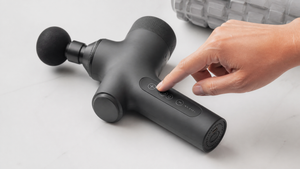

It’s a common scene: you finish a workout, grab a massage gun, and stare at the speed buttons. High, medium, low—which one actually helps? The Tidesmit Deep Tissue Massage Gun gives you three clear options, but knowing when to use each can feel like guesswork.
Speed settings aren’t just about intensity. They shape how the percussive therapy interacts with your muscles, from gentle warm-ups to stubborn knots. Understanding the difference can make your recovery sessions more effective and less frustrating.
Why Many Massage Gun Users Get Confused by Speed Settings
Ask a handful of massage gun owners which speed they use, and you’ll hear everything from “I always blast it on high” to “I just keep it on the lowest setting.” This confusion often stems from a simple gap: many devices don’t explain what each speed is for, leaving users to guess. Without a clear intention, the same speed that loosens up a tight calf might feel jarring on a sore neck.
The result is inconsistency. One day the gun seems to help, the next it leaves you more tender. It’s not that the tool is unreliable—it’s that matching the speed to the goal matters more than most people realize. Getting it right is less about the machine’s power and more about how you apply it.
How Speed Settings Influence Muscle Recovery
Massage guns work through percussive therapy—rapid, repetitive pulses that travel into muscle tissue. The speed of these pulses, usually measured in percussions per minute (PPM) or frequency in Hertz (Hz), affects how deeply the vibration penetrates and what kind of response your nervous system triggers. According to RecoveryAsk, lower frequencies (around 20–30 Hz) tend to stimulate superficial muscle layers and can have a calming effect, while higher frequencies (40–60 Hz and above) reach deeper tissue and may be more effective for breaking up knots and tension.
Research backs up the role of percussive devices in recovery. A study in the Journal of Clinical and Diagnostic Research found that using a percussive device before exercise improved range of motion without reducing force production. That’s a promising sign, but outcomes still depend on choosing an appropriate speed for the muscle you’re targeting. Thinner, more sensitive areas often respond better to low-speed work, while the thick muscle bellies of the quads or glutes can handle a more aggressive rhythm.
The Tidesmit's Three Speed Settings: What Each One Does
The Tidesmit keeps things straightforward with three distinct speeds, each built for a different phase of recovery. Rather than a dozen confusing options, the low, medium, and high settings are designed to cover the essentials—from warming up to working out deep soreness.
Low Speed: Gentle Percussion for Warm-Ups and Sensitive Areas
On the low setting, the Tidesmit delivers a light, rhythmic tap that’s easy to tolerate. This makes it a solid choice before a workout, when you want to increase blood flow to muscles without fatiguing them or triggering a protective reflex. It’s also the go-to speed for areas that tend to complain—like the neck, shoulders, and around the shins—where heavy pressure can feel intrusive.
For anyone new to percussive therapy, low speed is a forgiving place to start. It lets you get used to the sensation and build confidence without overwhelming the muscle. Beginners often find that even a few minutes on this setting can ease everyday stiffness.
Medium Speed: Balanced Recovery for Post-Workout Soreness
The middle setting steps up the intensity without venturing into deep-tissue territory. It’s the kind of pace that feels like a firm, steady massage—enough to work through the general soreness that follows a leg day or a long run, but not so aggressive that you tense up. Larger muscle groups like the quads, calves, and back tend to respond well here.
Many users treat medium speed as a daily maintenance option. After a workout, it can help smooth out tightness and encourage blood flow, and on rest days, it’s a useful way to address lingering tension without overdoing it. The Tidesmit’s build makes it easy to sustain this speed across a full session, even on bigger areas.
High Speed: Deep Tissue Relief for Stubborn Knots and Tension
When a knot feels like it’s been camping out in your shoulder blade or a deep ache settles into your glutes, the high speed is what you reach for. The rapid percussion—moving into the higher end of the therapeutic frequency range—can penetrate denser tissue and help release trigger points that gentler settings don’t budge. Thick muscle groups like the hamstrings and glutes are the usual targets here.
That said, high speed demands a little caution. Keep it away from bony spots, the spine, and any area that feels sharp or unusually tender. Brief, focused passes work better than grinding away on one spot. RecoveryAsk notes that high-speed percussion on sensitive zones can cause discomfort or even bruising for some users, so it’s wise to ease into it and listen to your body’s feedback.
Choosing the Right Speed for Your Recovery Goal
A simple framework can cut through the guesswork: warm-up → low speed, post-workout → medium speed, deep tissue → high speed. That’s a starting point, not a rigid rule. The size and sensitivity of the muscle group should nudge your choice—a larger quad can handle more intensity than a smaller forearm, for example.
Pay attention to what your body tells you. If a speed feels too sharp or makes you involuntarily tense, step it down. The Tidesmit’s three settings are distinct enough that even a small adjustment can change the sensation. Avoid using high speed on an acute injury or an area that’s visibly swollen; percussive therapy isn’t designed for that, and it could make things worse. When in doubt, stick with low or medium until you’re confident the muscle is ready for more.
Frequently Asked Questions About Massage Gun Speed Settings
What is the best speed for post-workout recovery?
Medium speed is a solid starting point for most post-workout soreness. It balances enough intensity to work through muscle tightness without being overly aggressive. Adjust up or down depending on how strenuous the session was and how your body responds.
Can I use the high speed on my neck?
It’s generally not recommended to use high speed on the neck. The area is close to the spine and delicate structures, and the intense percussion can feel jarring. Stick to low speed, keep the sessions brief, and always check the product manual for guidance on safe application zones.
