
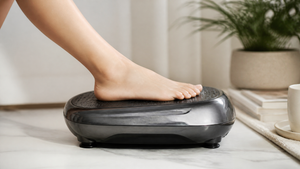

After a long shift on your feet, a day of walking city streets, or even just standing still for hours, the ache in your soles can feel like a deep knot that won't loosen. For many, that discomfort takes the shape of plantar fasciitis symptoms — tightness, inflammation, and the sensation of tiny tears along the arch. An electric deep tissue massager like the Tidesmit Deep Tissue Electric Foot Massager 3200 RPM may offer a practical way to target that pain at home, without a trip to the masseuse.
Foot massage isn't just about relaxation. According to Freeland Foot & Ankle Clinic, devices that apply pressure to the sole can help relieve plantar fasciitis symptoms by reducing tightness and inflammation. The Tidesmit is built around a single, focused idea: deliver rapid percussion at a speed designed to reach deep into foot muscles.
Understanding Deep Tissue Foot Massage
Deep tissue massage works by applying sustained pressure to the inner layers of muscle and connective tissue. Unlike a light surface vibration, it aims to break up adhesions and release chronic tension. For feet, that can mean targeting the plantar fascia — the thick band of tissue that runs along the bottom of the foot. When that tissue is overstressed, the resulting tightness can make every step painful.
Foot pain from standing or walking often feels like a deep, stubborn ache. Some might try a rolling stick or a frozen water bottle to get relief, but an electric massager can deliver consistent pressure without manual effort. RENPHO notes that shiatsu-style kneading and acupressure may promote blood circulation, but deep tissue percussion takes a different approach — it uses rapid, concentrated pulses to reach the muscle layers that surface massage can miss. The Tidesmit 3200 RPM is designed to bring that kind of deep, repetitive force specifically to the foot, in a device you can use while sitting on the couch.
Key Features of the Tidesmit 3200 RPM Foot Massager
The Tidesmit strips away the extras. It's not a foot spa with heat and compression, nor a multi-purpose massage gun with a dozen attachments. It's a dedicated foot massager that concentrates on one thing: deep tissue percussion at a single, high speed. Here's what makes it tick.
3200 RPM Motor for Deep Tissue Penetration
That 3,200 revolutions per minute figure isn't just a number — it's the speed at which the massage heads pound into the sole. For percussion massage, a higher RPM means the motor can deliver enough force to reach beyond the skin's surface without requiring a therapist's thumbs. The motor drives a rapid, repetitive motion that can get into the dense muscles of the arch and heel. It's a speed chosen for foot muscles, which are short and tough, rather than the larger muscle groups of the back or legs.
Deep Tissue Massage Mechanism
Deep tissue percussion works by sending fast, focused pulses into the muscle. That's different from the broad, rolling kneading of a shiatsu device. The Tidesmit's massage heads don't glide; they hammer. This percussive action may help release tight spots and temporarily reduce the sensation of muscle stiffness. For someone with plantar fasciitis symptoms, the ability to direct that pressure to the arch can feel like a targeted release, even if only for a few minutes.
Designed for Foot Comfort and Ease of Use
Electric operation means you plug it in, sit down, and let the machine do the work. There's no rolling, no manual cranking, and no need to press hard with your own hands. The Tidesmit is a foot-only device, so its shape and angle are meant to cradle the foot rather than adapt to a dozen different body parts. That specialization can make it simpler to use than a general-purpose massage gun, especially when you're tired. For many, the real appeal is the convenience: a session at home can replace the time and expense of a regular masseuse visit, which Freeland Foot & Ankle Clinic points out is a common barrier to consistent foot care.
How the Tidesmit Massager Works
An electric percussion massager uses a motor to drive a set of massage heads up and down or in a circular pattern at high speed. In the Tidesmit, that motor spins at 3200 RPM, delivering rapid pulses directly to the foot. Each pulse compresses the tissue and then releases, creating a mechanical effect that can help loosen tight muscles and temporarily increase local blood flow.
This kind of deep, rhythmic pressure also engages the concept of reflexology. According to Freeland Foot & Ankle Clinic, reflexology massage targets specific acupressure points on the feet that correspond to other parts of the body. While the Tidesmit isn't a precision reflexology tool, its broad percussion can stimulate many of those points at once. Some users report a sense of overall relaxation that goes beyond the feet, which may be linked to the release of endorphins. The RENPHO source notes that improved blood circulation from foot massage can support recovery, though the evidence for reflexology's systemic effects remains mixed.
The Role of Foot Massage in a Foot Care Routine
Using a massager like the Tidesmit is one piece of a broader foot care strategy. For persistent heel pain, combining massage with gentle stretching, icing, and the right supportive footwear is often recommended. Freeland Foot & Ankle Clinic suggests that tools like the Theraband Foot Roller, which can be frozen for icing while stretching, offer a complement to electric massage. The Heel Pain Relief Kit, valued at over $100 but priced at $60, packages a roller, gel, and stretching band together — a reminder that relief doesn't always come from a single device.
In practice, the Tidesmit fits into a daily rhythm. After a long day, a 10-minute session can help quiet tired feet before you start stretching. Or you might use it as a standalone relaxation tool while watching TV. The key is to listen to your body; if deep percussion starts to feel uncomfortable, back off. And if heel pain persists despite consistent massage and stretching, it's time to see a healthcare provider. No massager can resolve structural issues or chronic inflammation on its own.
Frequently Asked Questions About the Tidesmit Foot Massager
Can a foot massager help with plantar fasciitis?
According to Freeland Foot & Ankle Clinic, foot massagers may help relieve symptoms of plantar fasciitis by reducing tightness and inflammation. Deep tissue percussion can target the plantar fascia, but if pain lingers, seeking professional advice is important.
What is the difference between deep tissue and shiatsu massage?
Shiatsu massage uses kneading and acupressure, as seen in the RENPHO foot massager, while deep tissue focuses on deeper muscle layers. The Tidesmit uses deep tissue percussion — rapid, concentrated pulses — rather than the rolling, kneading action typical of shiatsu.
How often should I use the Tidesmit foot massager?
A general guideline is to use it as needed for soreness, typically 10–15 minutes per session. Overuse can lead to bruising or increased soreness. Always follow the device instructions and stop if you feel sharp pain.
