

The Cordless Revolution Is Here
Wireless power has moved from a luxury curiosity to a daily expectation for tech-savvy users. By removing physical tethering, this technology offers a clean, clutter-free environment that preserves the longevity of your hardware. While standard wired charging remains a reliable baseline for speed, the shift toward wireless solutions reflects a broader trend of integrating power directly into our living and working spaces.
At Tidesmit.com, we prioritize this transition by offering versatile hardware designed for modern convenience. Whether you are looking for the Blue Light Therapy Pen for Leg Vein Care and Relief - Tidesmit with its built-in wireless charging support or our Tidesmit Smart Glasses: 1080p AI Camera Hands-Free Recording, we believe that removing cable dependency improves your user experience. Future wireless charging technology promises even greater flexibility, moving beyond simple pads to ambient power that sustains your devices automatically.
How Wireless Charging Works and Became Mainstream
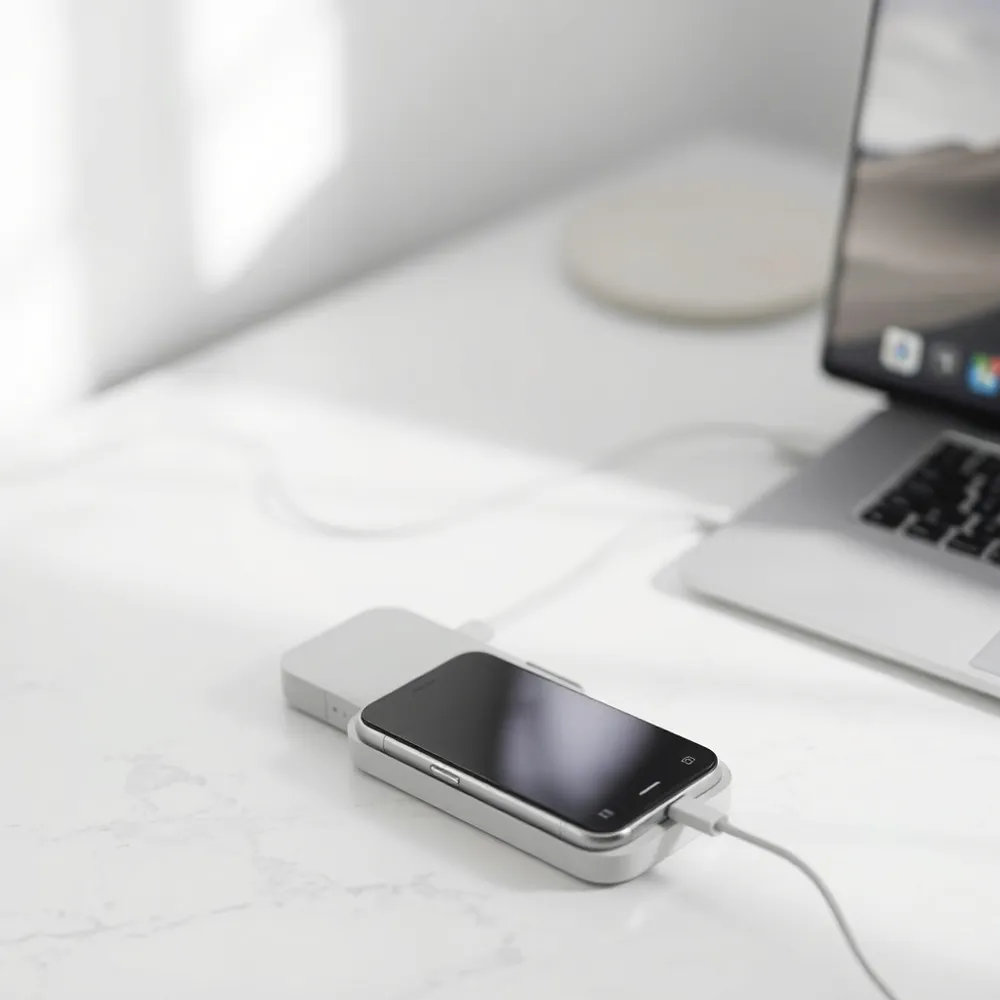
What is wireless charging and how did it become mainstream? Wireless charging, also known as inductive charging, is a technology that transfers power to devices using electromagnetic induction without the need for physical cables. It works by creating a magnetic field between two coils, one in the charger and one in your device, to safely transmit electricity. While Nikola Tesla first explored wireless power in the late 19th century, the technology reached the consumer market in the early 2000s with specialized devices.
Mainstream adoption truly took off in 2008 when the Wireless Power Consortium introduced the universal Qi standard, which allowed different brands to share compatible chargers. Following the release of early Qi-supported phones, the technology became a standard, must-have feature in most modern smartphones and wearables today.
Core Technologies Powering the System
Modern wireless power systems are generally categorized by the distance and power levels they support. Understanding these categories helps clarify why some chargers work for tiny peripherals while others power heavy-duty equipment.
Inductive charging. This method relies on short-range magnetic fields for energy transfer. It is the most common approach for smartphones and household items, requiring the device to rest directly on or very close to the charging pad.Resonance charging. By tuning coils to the same electromagnetic frequency, this technology allows for power transfer over larger gaps. It is frequently employed for high-power applications, including electric vehicles and industrial robotics.Radio charging. Designed specifically for devices with small batteries that consume low power, this approach uses frequency matching between a transmitter and a receiver. It is ideal for small peripherals like hearing aids or computer mice.
Wired vs Wireless: Speed and Efficiency Compared
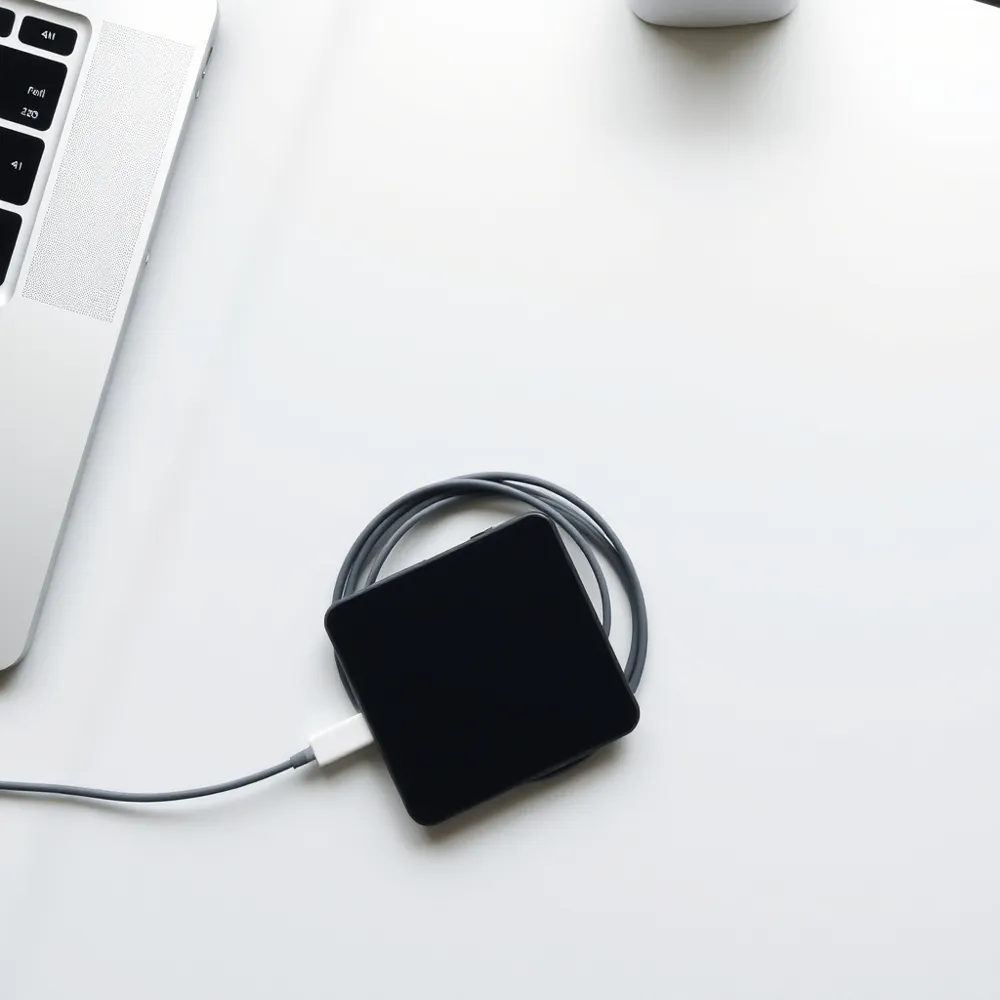
Is wireless charging better or faster than wired charging? Wired charging is significantly faster and more energy-efficient than wireless charging because it provides a direct, stable electrical connection to your device. While wireless charging offers undeniable convenience by eliminating the need for cables and reducing wear on your device's charging port, it typically involves slower power transfer and can generate extra heat during the process.
Wireless charging relies on electromagnetic induction, which inherently experiences more energy loss compared to the direct current flow of a physical cable. Because this energy transfer is less efficient, the system can produce heat that impacts your device. For consumers who need rapid power, wired connections remain the superior choice. Tidesmit offers a range of high-performance devices, such as the Tidesmit AI Smart Glasses, which feature rapid 5V/2A charging to minimize downtime compared to standard, slower alternatives.
When comparing performance, remember that wired solutions are not affected by alignment issues that can occur with entry-level inductive pads. If you prioritize ease of use and a clutter-free desk or nightstand, wireless charging is a fantastic, reliable alternative for daily top-ups. Many of the Blue Light Therapy Pen for Leg Vein Care and Relief - Tidesmit kits also support standard cable charging alongside wireless stations, giving you the flexibility to choose between speed and convenience based on your immediate needs.
Does Wireless Charging Hurt Your Battery?
Wireless charging does not inherently destroy your battery, but it can contribute to slightly faster degradation compared to standard wired methods. This difference primarily stems from increased heat generation. Because wireless technology involves energy conversion via electromagnetic induction, some energy is lost as heat, which serves as the primary enemy of lithium-ion battery longevity.
Over several years of daily use, research suggests this thermal buildup may lead to roughly 3 to 5 percent more capacity loss than consistent wired charging. To protect your hardware, users should ensure their devices are perfectly aligned on the charging pad to minimize wasted energy.
- Prioritize proper alignment on the charging pad to reduce heat caused by energy loss.
- Remove bulky cases that may trap heat near the battery during the charging cycle.
- Avoid leaving your device on a wireless pad overnight at 100 percent capacity.
- Use high-quality, certified charging hardware to ensure efficient power transfer and active thermal protection.
Ultimately, while wired charging remains cooler and more energy-efficient, wireless technology is a safe and convenient option if you follow these simple habits.
Common Downsides of Going Cordless
What are the common downsides of using wireless charging? While the technology offers excellent convenience, there are a few practical trade-offs to keep in mind compared to traditional methods. Wireless charging often delivers slower speeds than high-wattage wired solutions, which can be less efficient if you need a rapid power boost during a busy day.
Heat generation is another factor to consider. Because the energy transfer process requires electromagnetic induction, devices can warm up more than they would with a standard plug-in. What Does the Future of Wireless Charging Technology Look Like? notes that thermal management is essential, as significant temperature fluctuations can influence long-term performance.
Physical placement also impacts your experience. Many standard pads require precise alignment for the coils to connect, meaning you cannot easily pick up or use your device while it is actively charging. This lack of flexibility can be inconvenient if you need to use your phone while it powers up.
Finally, battery health remains a key consideration for power-conscious users. Leaving a device on a charger for extended periods once it reaches 100% can create unnecessary stress. While many modern devices incorporate software to stop the flow once full, users aiming for long-term reliability often find that standard wired methods offer more consistent performance for overnight tasks.
Wireless EV Charging: Ready for the Road?
Wireless charging for electric vehicles is moving from experimental lab settings to active roadway trials. The technology uses magnetic fields to transfer energy across a small gap, so batteries recharge without any plugs or cables. This approach aims to reduce the wear and safety risks associated with traditional plug-in stations.
Standardization is a key step toward broader adoption, and the Society of Automotive Engineers finalized its wireless power transfer standard for light-duty vehicles in 2022. This framework provides essential guidelines for developers building charging pads in parking lots and residential garages. For price-conscious buyers exploring the latest automotive trends at Tidesmit.com, these developments signal a more convenient infrastructure on the horizon.
Public infrastructure projects are already testing these concepts in real-world conditions. In 2023, Detroit successfully electrified a quarter-mile segment of public road to test wireless energy transfer. Meanwhile, cities like Indianapolis and Seattle have partnered with InductEV to integrate wireless on-route charging for public transit fleets.
While static pads are currently the most viable application, researchers are advancing Dynamic Electric Vehicle Charging, which attempts to power vehicles while they are in motion. Although this remains in the experimental phase, such advancements could eventually redefine how we think about energy range and stop-time requirements for long-distance travel.
Public Charging Stations and Infrastructure Growth
Public infrastructure is shifting to accommodate our mobile-first lives. We are increasingly seeing wireless charging pads integrated directly into public furniture, airport lounges, and even vehicle interiors. This convenience allows users to top up their devices without carrying bulky cables, making it easier to maintain battery levels while on the go.
For budget-conscious professionals and travelers, this means less reliance on proprietary cables. As public spaces adopt these systems, interoperability remains a hurdle. Organizations like the Wireless Power Consortium continue to drive universal standards, though consumers must still navigate a landscape where some stations favor specific protocols.
What does the future hold for wireless charging technology?
The future of wireless charging is bright, as it continues to evolve from a convenient luxury into a standard feature for our daily devices. Beyond current smartphone and wearable charging, we can expect this technology to be integrated into a wider range of household appliances, vehicles, and even medical equipment. Innovations in magnetic resonance and resonance charging will soon allow us to power multiple devices simultaneously on a single surface, effectively eliminating the need for tangled cords. With the market projected to reach $13.4 billion by 2026, the technology is becoming faster, safer, and more efficient than ever. Ultimately, wireless power is set to create a truly clutter-free lifestyle where keeping your tech charged is as simple as setting it down.
The Booming Wireless Charging Market
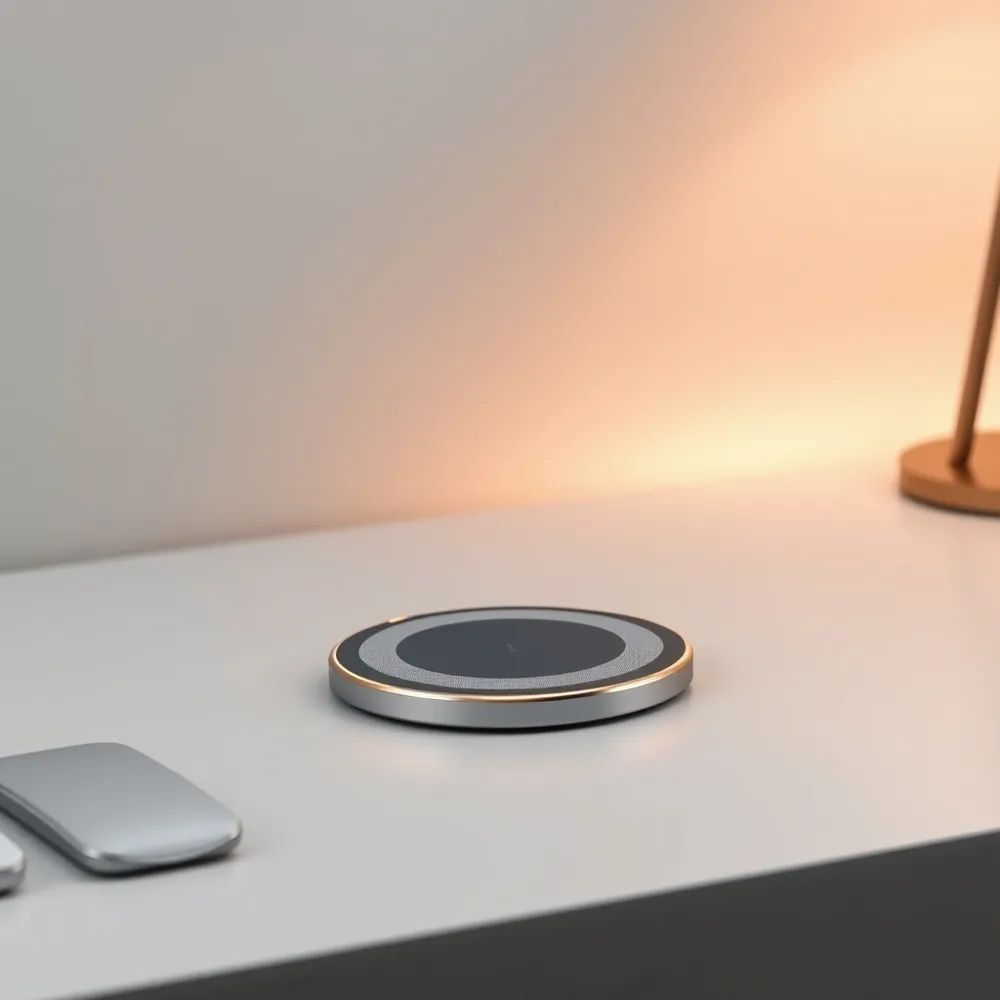
The wireless charging market is growing fast as more people look for convenient ways to power their devices. Valued at 4.5 billion dollars in 2021, it's expected to reach 13.4 billion dollars by 2026 — a growth rate of 24.6 percent each year. This shift shows how we're changing the way we charge our everyday gadgets.
Consumer electronics make up the biggest slice of this market, accounting for 46 percent of sales. While Asia Pacific leads in adoption, North America is catching up quickly. At Tidesmit.com, we help you find reliable wireless solutions, like our multi-device chargers, that give you the efficiency you need without the mess of cables.
New regulations are also speeding up the move toward common charging standards. For example, the EU is pushing for universal chargers, which means manufacturers are making devices that work with more brands and setups. If you're managing a home office or a professional workspace, this standardization means a more predictable and durable charging experience.
New Standards: Ki and Qi2 Changing the Game
The wireless charging landscape is evolving rapidly, moving beyond simple smartphone pads into high-power applications for the entire home. In 2019, the Wireless Power Consortium introduced the Ki cordless kitchen standard, allowing for wireless power transfer up to 2.2kW. This innovation means kitchen appliances like kettles and juicers can soon operate without a physical power cord, creating a safer and more organized cooking space. For budget-conscious households, this represents a shift toward more durable, cord-free appliances that reduce the need for messy outlet management.
For your personal devices, the new Qi2 standard is standardizing performance to deliver faster 15W+ wireless charging, ensuring more consistent power delivery across different brands. While the market continues to navigate interoperability challenges between systems like Qi and AirFuel, the goal remains a seamless, universal user experience. Tidesmit supports this shift toward efficient, multi-device ecosystems by offering high-quality solutions, such as modular setups that allow for organized charging.
Advanced charging stations are also appearing to help declutter your workspace or nightstand. Products like the MagFusion Ark showcase this trend by charging up to six devices simultaneously. By consolidating your power needs into a single hub, you can eliminate the hassle of navigating multiple cables.
Wireless Charging in Your Home and Office
Wireless charging is moving beyond simple desktop pads, as furniture manufacturers increasingly integrate power directly into nightstands, desks, and countertops. By embedding transmitters into these surfaces, you can create a clutter-free environment that simplifies daily routines. While premium built-in solutions often command higher prices, budget-conscious shoppers can find reliable alternatives at Tidesmit.com that offer excellent performance without the high overhead of luxury brands.
Efficiency and convenience are the primary gains of adopting these systems. You effectively stop the mechanical wear on your devices by avoiding repetitive plugging and unplugging of cables. Multi-device charging pads are particularly helpful for office professionals or families, as they allow you to power a smartphone, wireless earbuds, and a smartwatch on a single platform simultaneously.
For small business owners and price-sensitive consumers, managing power setup costs is vital. Investing in a high-quality, universal multi-device charger reduces the need to buy multiple proprietary cables for different devices. While some standalone chargers are expensive, stores like Tidesmit.com focus on curating affordable tech that maintains reliable performance for everyday use.
The Next Leap: Ambient and Dynamic Power
The horizon of wireless energy extends far beyond current charging pads. Future systems aim to move away from static placement toward ambient power, where devices draw energy simply by being within a field. This shift mirrors developments like a system that powers tiny medical devices inside the body using wireless power transfer over a short distance. By moving toward these invisible power environments, we may soon eliminate the need to tether ourselves to any specific surface.
For commuters and fleets, the most exciting prospect is Dynamic Electric Vehicle Charging. This experimental technology aims to charge vehicles while they are in motion, utilizing electrified roadways to extend range without stops. While this remains in the early stages, the potential to integrate such systems into public infrastructure could transform daily travel, much like how professionals simplify their routines with curated, efficient tech solutions that feature rapid charging to keep up with a busy day.
Emerging radio frequency (RF) charging also promises to bridge the gap for longer distances, allowing power to travel across rooms rather than just millimeters. While these technologies are currently in the laboratory or early commercial phases, they highlight a shift toward a truly cordless lifestyle. For those looking to enjoy modern convenience today, Tidesmit offers a range of reliable gear which utilizes USB-C fast charging to provide a seamless experience for beauty professionals who need high-quality equipment without the clutter of excessive cords.
The Wireless Future Is Closer Than You Think
Wireless power offers unmatched convenience by removing cable clutter and reducing mechanical wear on your charging ports. While wired connections remain the winner for raw speed, current magnetic resonance technology has matured into a reliable daily solution for modern homes and offices.
For budget-conscious shoppers, wireless charging is a smart investment that simplifies your routine. At Tidesmit.com, we prioritize this balance of affordability and function, offering solutions like our Blue Light Therapy Pen for Leg Vein Care and Relief - Tidesmit which supports rapid, clutter-free charging. As infrastructure for electric vehicles and public spaces expands, staying informed will help you choose hardware that stays relevant as standards evolve.