

The Evolution of Kitchen Cooling Technology
Modern cooling has shifted from simple passive storage into an active management system. A smart refrigerator now serves as a central hub, tracking inventory and optimizing grocery habits to reduce household food spoilage by an average of 25 percent, according to the Journal of Food Engineering.
This technology-driven segment is expanding rapidly, with the global smart refrigerator market projected to grow at a compound annual growth rate of 19.7 percent between 2023 and 2030. These appliances often incorporate features like internal cameras to monitor contents remotely, and they contribute to broader household utility goals by potentially reducing total energy consumption by up to 15 percent, as reported by the U.S. Department of Energy.
While features like barcode scanners offer immediate convenience for meal planning, users should prioritize core performance. The primary expectation for any high-end unit remains the ability to maintain consistent temperatures for food safety, regardless of its advanced digital capabilities.
Understanding the Modern Smart Refrigerator

A smart refrigerator is an advanced, internet-connected kitchen appliance designed to provide functionality far beyond simple food preservation. By integrating features such as touchscreen displays, internal cameras, and Wi-Fi connectivity, these units allow users to manage inventory, receive expiration notifications, and even order groceries directly from the interface. Many models incorporate AI technology to suggest recipes based on available ingredients or allow family members to share media, calendars, and digital notes on a central display. Designed to improve home convenience, reduce food waste, and increase energy efficiency, these appliances serve as a hub for modern household management. Ultimately, a smart fridge transforms a traditional household staple into an interactive tool that streamlines daily routines and kitchen organization.
Beyond basic cooling, these devices function as a central nervous system for the contemporary home. Integration with voice assistants like Amazon Alexa or Google Assistant allows for hands-free control, while connectivity with mobile platforms lets homeowners monitor conditions from anywhere. Research from the U.S. Department of Energy indicates that smart appliances can reduce total household energy consumption by up to 15% in part by utilizing adaptive cooling systems.
The evolution toward a digital kitchen hub is exemplified by the new GE Profile 27.9 Cu. Ft. Smart 4-Door French-Door Refrigerator. This appliance merges inventory tracking with automated grocery delivery via Instacart. While premium models may reach higher price points, they solve for common pain points like overbuying, as automated inventory systems have been shown to reduce household food spoilage by an average of 25% according to findings referenced in the Journal of Food Engineering.
Efficiency remains paramount in selecting the right unit, as these appliances are meant to support long-term household health. While standard refrigerators rely on passive mechanics, modern alternatives use sensors to track internal environments, such as humidity and temperature, at a precise level. Consumer Reports emphasizes that despite the appeal of high-tech interfaces and internal camera systems, the primary function of maintaining consistent 37 degrees Fahrenheit in the fridge and 0 degrees Fahrenheit in the freezer must always take precedence over convenience-based software features.
Essential Smart Features for Daily Convenience
Modern smart refrigerators go well beyond basic cooling by acting as a central dashboard for household management. What common smart features can a refrigerator have? Beyond essential Wi-Fi connectivity and internal cameras that let you check your inventory remotely, many units incorporate multifunctional touchscreen displays. These panels serve as the primary interface for digital shopping lists, shared family calendars, and recipe databases, effectively replacing traditional physical reminders.
Integration with voice assistants like Amazon Alexa or Google Assistant creates a truly hands-free experience. Users can manage tasks, adjust cooling settings, or dictate items for a grocery list while engaged in other kitchen activities. Recent advancements like the GE Profile Smart Refrigerator provide even tighter integration, featuring a barcode scanner that populates a digital list and syncs with services like Instacart for fast delivery.
These appliances are designed to evolve into a critical family hub. They can display weather updates, stream music, or even cast cooking videos to engage users during meal preparation. While some models allow users to track food expiration dates and manage their household schedules through a single interface, consistent software updates help prevent these digital tools from becoming obsolete.
Mastering Inventory and Food Management

Modern smart refrigerators function as a comprehensive food management system rather than simple storage, moving beyond basic cooling to active inventory oversight. Appliances like the upcoming GE Profile Smart Refrigerator with Kitchen Assistant utilize built-in barcode scanners to reconcile current supplies with digital shopping lists. Once an item is scanned, the associated software populates lists that sync instantly with mobile apps, ensuring you never double-purchase perishables while at the store.
How does a smart refrigerator help with managing food?
Smart refrigerators leverage sensors, internal cameras, and AI algorithms to actively monitor food contents, providing real-time inventory tracking and expiration alerts to significantly reduce waste. Technology such as the 'FridgeFocus' system provides on-demand snapshots of crisper drawers via mobile applications, allowing users to verify stock levels remotely. Research indicates that such inventory management systems can reduce household food spoilage by approximately 25%.
Beyond simple visual tracking, these devices provide personalized guidance on food arrangement to improve airflow and preserve shelf life. Features like advanced humidity control and internal air purifiers manage the environment for specific items like produce or proteins to maintain quality. By integrating this data with meal planning software, users can receive recipe suggestions based on what is currently inside the unit. These automated workflows ensure that ingredients are organized and utilized before they reach their expiration dates, turning the refrigerator into a central tool for reducing waste.
Operational Benefits and Energy Efficiency
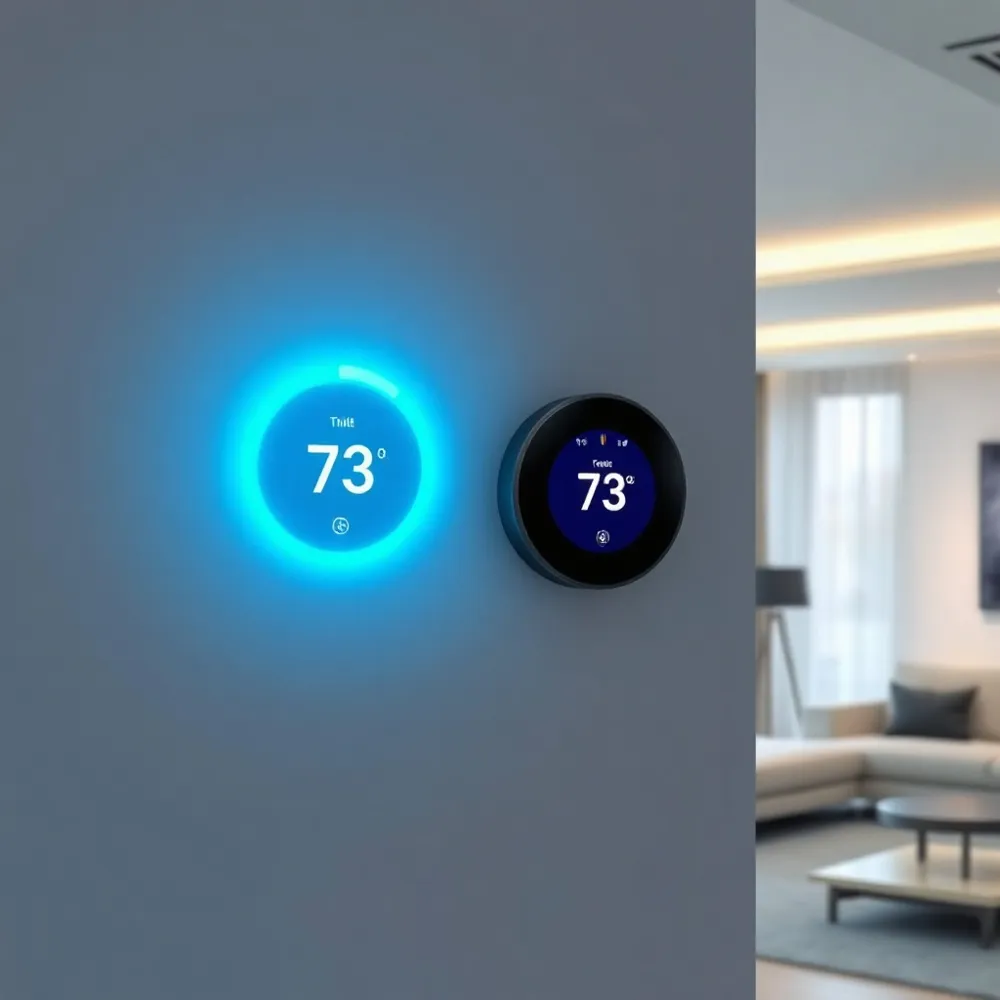
Smart refrigerators serve as proactive guardians of both your home energy budget and appliance health. By leveraging IoT connectivity, these systems deliver meaningful reductions in power consumption. According to data from the U.S. Department of Energy, these connected appliances can lower total household energy usage by up to 15 percent.
- Remote adjustments: Users can modify internal temperatures and humidity settings from their mobile devices, ensuring environmental stability even when away from home.
- Proactive diagnostics: Advanced sensors continuously monitor core components, pushing real-time alerts to your smartphone before a minor hiccup becomes a costly breakdown.
- Resource optimization: Automated notifications flag doors left ajar or abnormal temperature spikes, preventing unnecessary compressor strain and energy waste.
Beyond active maintenance, these appliances provide data-driven insights into your consumption patterns. By tracking usage metrics, homeowners can identify inefficiencies and adapt settings to their specific climate and load requirements. This transparency helps mitigate the risk of component failure, particularly in systems like the icemaker, which historically registers higher service needs by the end of its fifth year of operation.
Navigating Challenges and Cost Considerations
What are the common disadvantages or challenges of owning a smart refrigerator? Investing in a modern smart appliance presents a clear trade-off between advanced utility and financial commitment. While a standard unit might cost between $500 and $1,000, specialized premium models can reach prices up to $6,000. This price gap reflects the inclusion of sensors, touchscreens, and wireless modules which add layers of convenience but also increase the number of potential failure points.
Technological longevity remains a concern for many buyers, as the digital components inside these refrigerators often evolve faster than the cooling hardware. Even if mechanical parts last the typical 10 to 15 years, manufacturers may discontinue off-the-shelf software support, which can eventually render the display-driven features obsolete. Users should prioritize core performance metrics, such as the ability to maintain steady temperatures, before focusing on digital integrations.
Network connectivity also introduces new risks. Beyond the dependence on reliable Wi-Fi, there are tangible data privacy concerns regarding how connected appliances track household habits. Per a 2023 Deloitte survey, 35 percent of potential buyers report being wary of data security, while 28 percent point to high costs as a primary barrier to entry. Because these devices collect fine-grained telemetry on when you are home or asleep, owners should audit their network security and privacy settings to mitigate vulnerabilities.
Installation and Maintenance Best Practices
Professional installation is often recommended for smart refrigerators to ensure that Wi-Fi connectivity and internal sensors function correctly from day one. Choosing an expert installer helps confirm that complex components like barcode scanners or internal camera systems align with your home network, which also protects your manufacturer warranty status.
While a typical refrigerator lasts between 10 and 15 years, the specialized electronics and touchscreen interfaces in connected models add vulnerability. Maintaining a stable internet connection is essential for receiving over-the-air firmware updates that keep software features operational and secure. Over time, these digital components may face a higher risk of failure than traditional cooling mechanics.
Reliability data suggests that common failure points often involve integrated icemakers or dispensers by the fifth year of ownership, per Consumer Reports. Scheduling regular checkups can help identify minor sensor issues before they evolve into major mechanical repairs, ultimately helping your appliance reach the upper end of its expected lifespan.
Is the Investment Right for Your Home?
Deciding whether to incorporate smart technology into your kitchen depends on balancing long-term utility against upfront costs. While traditional models are affordable, high-end units like the GE Profile Smart Refrigerator offer measurable benefits. These systems act as a central hub for households seeking to optimize efficiency through automated grocery lists and remote monitoring. These systems act as a central hub for households seeking to optimize efficiency through automated grocery lists and remote monitoring.
For households that prioritize connectivity, the convenience often justifies the premium price tag. However, shoppers should weigh these advanced features against potential cybersecurity risks and the inherent complexity of high-tech sensors. If your priority is essential food preservation, simple and reliable cooling remains a valid alternative to complex digital platforms. Choosing the right appliance requires matching your specific lifestyle needs and budget to the available refrigerator configurations to ensure the best return on your investment.