

The Wellness Revolution Goes High-Tech
The global massage equipment market is poised for significant expansion, with projections estimating a jump to over USD 20 billion in value as the industry grows at a steady annual rate between 7% and 11% [source reference via Technavio]. This surge is largely fueled by rising sedentary lifestyles, chronic pain, and an increasing consumer desire for at-home wellness solutions.
We are witnessing a structural shift from one-off, occasional spa visits toward scheduled, recurring body care routines. As consumers seek consistent stress relief, the industry is evolving to meet these demands by integrating advanced infrared light therapy and sophisticated, AI-powered robotics. From handheld recovery devices to autonomous systems, these innovations make professional-grade wellness more accessible than ever.
Infrared Therapy: Light-Based Pain Relief
Infrared therapy, also recognized as photobiomodulation or low-level laser therapy, provides a non-invasive approach to pain management by reaching deep into muscle, bone, and connective tissues. By utilizing near-infrared, mid-infrared, and far-infrared wavelengths, this method stimulates mitochondria to increase cellular energy, which triggers the body’s natural repair processes. As a light-based treatment, it is distinct from ultraviolet radiation; it does not carry the cancer risks typically associated with UV exposure and poses no threat of skin damage when used correctly as noted by the Cleveland Clinic.
The primary benefits of this therapy center on improved circulation and reduced inflammation. Increased blood flow helps deliver vital oxygen and nutrients to injured areas, supporting wound healing and muscle recovery after intense physical activity. It is frequently employed as an adjunct for chronic issues such as joint stiffness, arthritis, and general muscle soreness. Some practitioners also suggest that the heat produced by infrared technology can assist in cellular-level detoxification by raising the body's core temperature per Mayo Clinic insights.
What are the primary health benefits and potential risks of infrared therapy?
Infrared therapy utilizes specific light wavelengths to penetrate deep into the skin, muscles, nerves, and bones, promoting cell regeneration and improved circulation to help manage acute or chronic pain. Beyond pain relief and reduced inflammation, this therapy is used for various health applications, including detoxification, muscle relaxation, immune system support, and improved cardiovascular markers. It is considered a safe, non-invasive, and painless alternative treatment because it specifically avoids the tissue-damaging effects of ultraviolet radiation. However, potential risks can include eye strain, headaches, or irritability if exposure is not correctly timed or dosed. Furthermore, individuals with specific conditions, such as retinal diseases or systemic lupus erythematosus, and those taking photosensitizing medications should avoid this therapy, as specialized equipment is required to ensure harmful UV rays are properly filtered out.
Using Infrared and Red Light Safely
Achieving the best results with red light therapy requires a consistent, controlled approach. For general wellness, sessions typically range from 10 to 20 minutes daily. Specifically for facial treatments, a 10-minute cadence, performed three to five times per week, helps reach the necessary dosage for skin repair and collagen production without risking overexposure.
What are the recommended guidelines for using infrared or red light therapy?
Effectiveness rests on several technical pillars, including wavelength accuracy and power density. When selecting home equipment, users should prioritize FDA-cleared devices, which signifies that the regulator has reviewed the product for safety. Unlike the term approved, the clearance process assures the device meets recognized safety standards. Regardless of the device model, always utilize protective eyewear to minimize potential eye strain or light-induced damage.
Prior to starting any light-based treatment, consult with a healthcare provider or dermatologist. This is especially important for individuals who have known photosensitivity or those currently taking medications, such as certain antibiotics or retinoids, that may increase susceptibility to light exposure. Professional guidance ensures the therapy remains a safe adjunct to your health routine.
Red Light Therapy for Skin and Hair
Red light therapy operates by using low-level wavelengths to reach the skin, where they stimulate mitochondria to enhance cellular energy production. This boost in activity supports processes like skin repair and collagen synthesis, which underpins the technology's popular applications in anti-aging routines, such as reducing wrinkles and improving overall skin tone per UCLA Health.
Beyond dermatological health, this therapy is FDA-cleared for hair regrowth. It offers an alternative for individuals experiencing hereditary or hormonal hair loss, as the targeted light can help increase both hair thickness and length. For acne management, those same wavelengths reduce excess oil secretion and inflammation, with some protocols combining red and blue light for enhanced results. Consumers can find this technology integrated into various formats, ranging from portable wands and masks to comprehensive full-body panels and bed systems.
These applications trace their origins to early NASA research, which examined how light exposure could influence both plant growth in space and human tissue repair. While the therapy is increasingly popular, it is important to note that many secondary marketing claims, such as those regarding weight loss, cellulite reduction, or treatment for depression, currently lack support from large-scale, randomized clinical trials.
AI and Robotics Enter the Massage Room
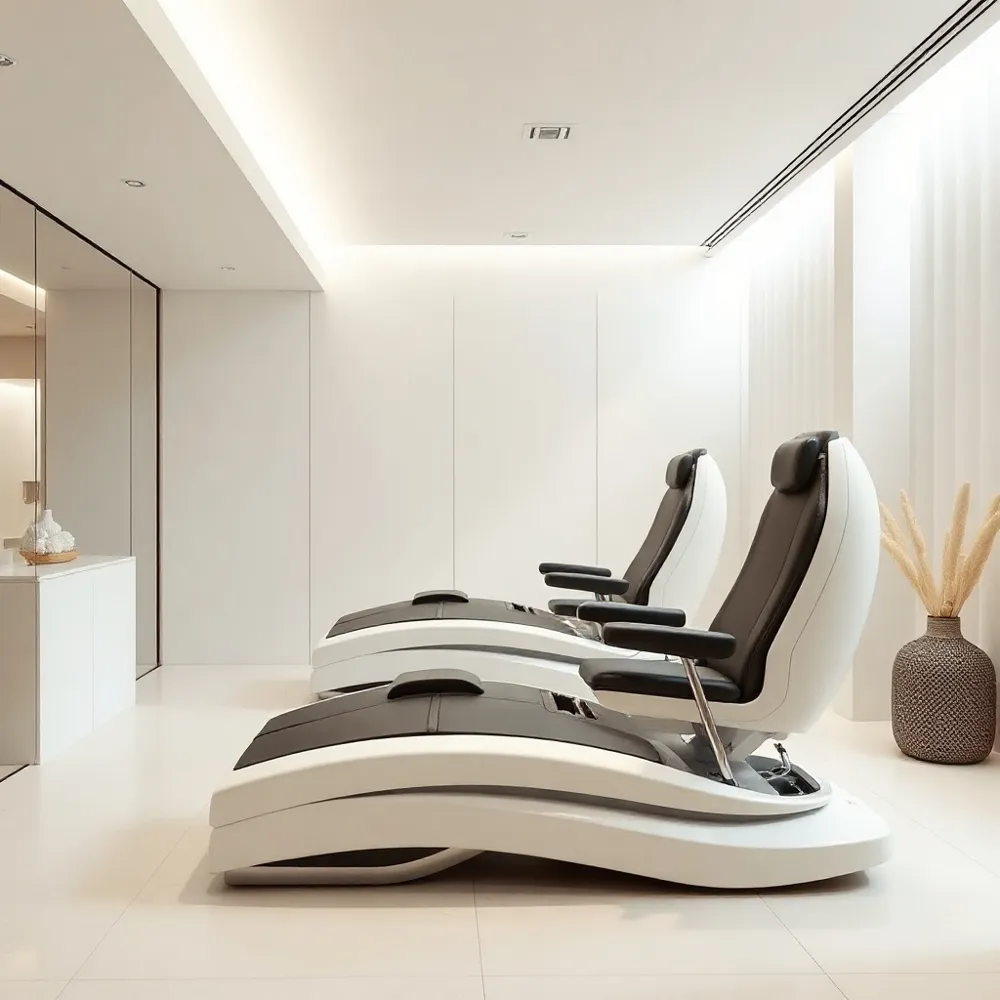
The integration of artificial intelligence and robotics has introduced a new standard for recovery, moving beyond traditional manual techniques toward precise, data-driven experiences. Innovations such as the Aescape system use robotic arms to deliver consistent, spa-like therapy that mimics the refined movements of professional massage practitioners.
What is AI-powered massage and how does it utilize robotics?
AI-powered massage is a next-generation technology that uses sophisticated robotics to provide a consistent, personalized, and touch-free recovery experience. The process begins with precision 3D body-mapping technology, which scans your physical structure to identify target zones and determine optimal pressure and depth. Intelligent robotic arms utilize this data to deliver repeatable, data-informed massage techniques tailored to your specific recovery goals, whether you need deep muscle relief or a general full-body reset. Throughout the session, users maintain complete control, with the ability to adjust pressure, focus areas, and soundscapes in real time via a touchscreen interface.
These systems offer a unique solution to the long-standing industry challenge of human therapist shortages. While professional massage organizations note that human touch remains essential for therapeutic empathy, robotics excel at repetitive, labor-intensive tasks precisely. Companies like Flexiv and the makers of the Robosculptor are pushing development forward by integrating advanced computer vision that monitors anatomic contours. By combining automation with intelligent personalization, these platforms offer a reliable, private, and efficient method for managing chronic tension and accelerating post-workout recovery.
- Pressure governors and integrated sensors ensure that the robotic arms do not exceed specific intensity thresholds, preventing discomfort or injury.
- Emergency stop mechanisms are standard in modern equipment installed in facilities like luxury gyms and hotel wellness centers, allowing users to pause the session instantly.
- Privacy is prioritized through non-camera-based sensor arrays that rely on coordinate data rather than visual imagery to map the body.
- Session settings can be saved to your digital profile, allowing for a consistent, one-touch recovery experience across different locations.
From Massage Chairs to Handheld Devices
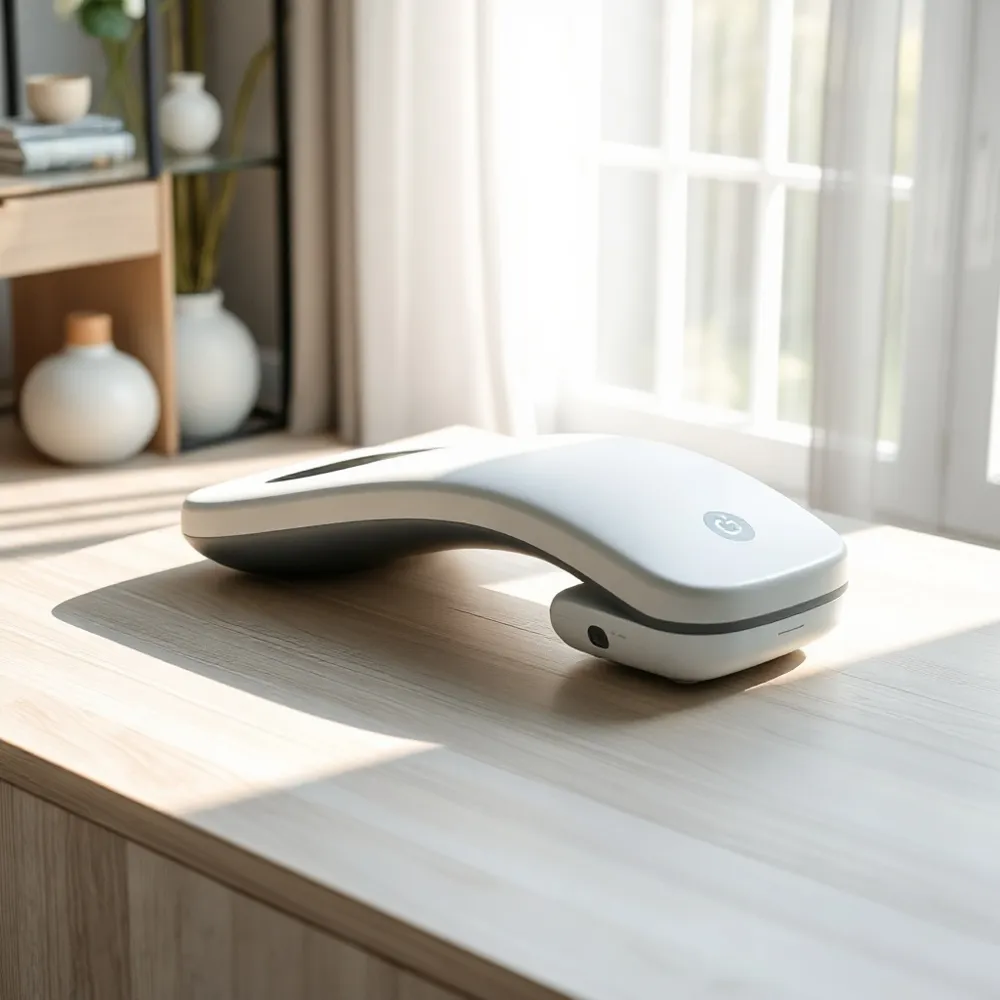
The evolution of massage hardware reflects a broader shift toward integrating sophisticated technology into daily healthcare routines. Currently, massage chairs and sofas lead the industry, capturing approximately 42.9% of the market share due to their ability to provide comprehensive, full-body relief. These luxury units have moved past basic rollers, now arriving equipped with advanced 4D and 5D engines that adapt to individual body maps, along with zero-gravity reclining, integrated chromotherapy, and automated aromatherapy systems.
While residential interest is climbing at an annual rate of 8.5%, commercial spaces like spas and wellness centers still maintain a dominant hold on the landscape. However, consumers are increasingly turning to compact alternatives for personal maintenance. Handheld devices represent the fastest-growing product segment with a projected CAGR of 8.2% through 2033, fueled by a preference for portability and immediate, at-home muscle recovery.
| Category | Market Status | Primary Use |
|---|---|---|
| Massage Chairs | Dominant (40%+) | Full-body relaxation |
| Handhelds | Fastest Growing | Targeted spot recovery |
| Leg Massagers | Emerging Need | Circulation and aging |
Specialized equipment, such as leg massagers, is simultaneously emerging as a vital segment for aging populations dealing with circulation challenges or neuropathic discomfort. By offering specific, data-driven pressure management, these devices effectively bridge the gap between heavy, stationary furniture and localized handheld tools.
The Hybrid Future: Tech Empowering Therapists
Technology is fundamentally reshaping the massage therapy equipment market by shifting toward a hybrid model that complements skilled human touch with sophisticated, data-driven tools. Advanced equipment such as AI-powered massage chairs, precision massage guns, and thermal therapy devices are increasingly being integrated into professional practices to provide targeted, quantifiable relief for muscle tension and recovery. Beyond hardware, therapists are adopting biometric assessment tools to map client pain points, allowing for highly personalized, measurable treatment plans. Virtual reality environments are also emerging to enhance the sensory experience of sessions, prioritizing holistic mental health support alongside physical therapy. Ultimately, this technological evolution enables practitioners to offer more precise, efficient, and consistent wellness experiences that meet the growing demand for modern, science-backed bodywork.
How is technology shaping the future of the massage therapy equipment market?
The evolution of the industry centers on technology that serves as a vital complement to human expertise rather than a replacement. Human therapists still provide the essential therapeutic alliance and empathy that remain central to the healing process. Robotic systems are primarily being designed to handle labor-intensive, repetitive tasks, which addresses the physical strain found in the profession. Given that over 40% of massage therapists leave the field within two years due to physical issues, automating these components preserves the longevity of the human workforce.
Real-time data analytics from sensors integrated into tables allow therapists to monitor client responses and adjust treatments with high precision. This data-driven approach also serves as a gateway for the approximately 80% of Americans who do not currently receive annual professional massage. By using robotic massage to lower the barrier to entry, clinics can introduce nervous or first-time clients to the benefits of routine bodywork before transitioning them to deep-tissue sessions with a human practitioner.
| Innovation | Primary Function | Benefit to Practice |
|---|---|---|
| Sensor Arrays | Map Body Contours | Real-time adjustments |
| AI Analytics | Assess Tension | Customized protocols |
| Immersive Media | Dynamic Soundscapes | Enhanced relaxation |
Navigating Market Growth and Key Players
The global massage equipment market is undergoing a period of rapid development, with valuations rising from approximately USD 11.60 billion in 2024 toward projections exceeding USD 21 billion by 2033. This expansion is powered by a shift toward chronic pain management and integrated wellness, with North America currently commanding the largest regional market share at roughly 37%. Meanwhile, the Asia-Pacific region is emerging as the fastest-growing hub, supported by rising urbanization and a robust manufacturing infrastructure.
Industry consolidation is redefining the competitive landscape as established firms seek to integrate advanced engineering. Notable activity includes Panasonic Holdings Corp. acquiring Inada, and HoMedics USA merging with Therabody assets to capture premium segments. Other long-term industry participants like OSIM International Pte. Ltd. and Beurer GmbH continue to prioritize digital innovation. These brands now frequently equip devices with Bluetooth connectivity, voice assistant compatibility, and app-driven memory settings to meet modern consumer preferences.
Despite this technological trajectory, the market faces distinct challenges. Offline retail remain the dominant distribution channel, accounting for nearly 67% of sales because consumers prioritize in-person trials for high-investment items. Affordability also acts as a barrier, as premium massage chairs often exceed USD 5,000. Additionally, fluctuations in raw material costs, particularly for steel and synthetic leather, continue to impact pricing strategies across the sector.
| Attribute | Details | Market Impact |
|---|---|---|
| Market Growth | 7.3% to 11.5% CAGR | Accelerated by home-use trends |
| Leading Segments | Massage Chairs | Captures luxury home segment |
| Key Constraints | Price & Materials | Limits premium adoption |
Wellness Trends Driving Consumer Choices
The evolution of the massage industry reflects a clear transition toward integrated, holistic wellness that treats the entire person. Many practitioners now combine traditional techniques with aromatherapy, meditation, and yoga to create a comprehensive experience. This shift recognizes massage as a vital healthcare component, with 86% of consumers agreeing that massage therapy should be viewed as an essential health-related service [per Future Market Insights]. Consequently, the industry is moving away from occasional gift-based sessions toward membership models that encourage recurring appointments and consistent self-care routines.
Therapeutic customization has become a hallmark of modern practice, driving demand for specialized treatments. Athletes are increasingly seeking sports massage that isolates specific muscle groups relevant to their discipline for injury prevention and faster recovery. Meanwhile, practitioners are adopting diverse modalites such as cupping therapy to boost local blood flow and alleviate stubborn deep muscle tension. Complementary approaches, including CBD-infused massages, are gaining popularity as clients look for effective ways to reduce inflammation and promote profound relaxation.
Mental health has also emerged as a significant focus area, with massage therapy widely utilized as a support tool for clients managing symptoms of anxiety, PTSD, and depression. To support these growing routine-based needs, service providers rely on online booking platforms to fill schedules efficiently and allow clients to store personal preferences. By pairing these human-led holistic services with technology-driven booking, clinics can provide the consistency active consumers demand today.
A Smarter, More Personalized Path Ahead
The wellness landscape is transforming as artificial intelligence and robotics shift massage equipment from generic tools to personalized recovery systems. These innovations, particularly in robotic massage, provide consistent, data-driven relief that complements rather than replaces the nuanced skills of a human therapist.
This hybrid future empowers users with accessible, on-demand care. Whether integrating red light therapy for cellular repair or automated devices for muscle tension, technology enables a proactive approach to self-care. As the industry expands, prioritizing FDA-cleared platforms and consulting with healthcare professionals remains the most effective strategy for ensuring safe, meaningful wellness outcomes.
