
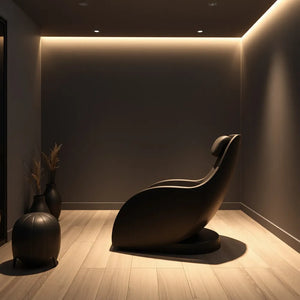

The Battle of Relaxation: Full Chairs vs. Percussion Guns
Finding the right tool for muscle recovery often comes down to choosing between a stationary, full-body system and a focused, portable device. While professional massage therapy remains the gold standard for clinical treatment, home-based recovery options have become increasingly sophisticated. Understanding the mechanical differences between these categories is essential for selecting a device that aligns with your specific wellness goals.
Full-body massage chairs are designed as passive recovery stations. They utilize complex internal rollers, airbags, and integrated heat to manage stress and encourage deep relaxation, often incorporating zero-gravity tech to minimize spinal pressure. Conversely, massage guns function as active, handheld tools. These devices leverage percussive therapy to target specific knots or localized muscle groups, helping to improve short-term range of motion through high-speed pulses percussive therapy research.
Both platforms offer distinct benefits and drawbacks. Massage chairs require a significant footprint but provide systemic cortisol reduction, while percussion massagers offer the portability needed for on-the-go recovery. Your choice should balance your need for deep, targeted tissue work with the desire for a hands-free, full-body relaxation experience.
Health Benefits of Massage Chairs

Massage chairs provide consistent, on-demand therapeutic relief that helps reduce muscle tension, soreness, and physical fatigue. By simulating the motion of a therapist, these devices can loosen tight connective tissues and joints, which improves circulation and promotes better flexibility. Beyond physical relief, these chairs serve as effective tools for stress reduction, helping users lower cortisol levels and induce a state of deep relaxation frequently compared to the tranquility of a professional session.
What are the primary health benefits of using a massage chair?
The primary benefits of integrating a massage chair into a wellness routine include targeted pain management for the neck, shoulders, and lower back. Because these chairs allow for frequent use, they offer a convenient alternative to scheduling regular in-person appointments, which can cost an average of $76.48 per hour. Massage chairs remain the standard for systemic tension release.
While human touch provides unique biological benefits that machines cannot replicate, owning a high-quality seat simplifies the path to recovery. Features like zero gravity recline remove weight-bearing pressure from the spine, making the mechanical massage significantly more effective than sitting upright. Those exploring high-tech convenience may also find interest in the Tidesmit 950W 10-Port GaN Wireless Charging Station Hub to organize the tech environment surrounding their relaxation space. Maintaining a consistent routine at least once a week ensures that internal motors stay lubricated and functional, turning a large investment into a long-term resource for physical and mental health.
| Feature | Health Outcome | Mechanism |
|---|---|---|
| Zero Gravity | Spinal Decompression | Weight distribution |
| Heat Therapy | Increased Flow | Vasodilation |
| Air Compression | Reduced Swelling | Lymphatic aid |
How Massage Guns Work on Sore Muscles
Percussive therapy, delivered through massage guns, relies on rapid, rhythmic pulses to facilitate recovery. Unlike traditional vibrating tools, these devices provide concentrated bursts of pressure that interact with your body’s sensory pathways. Research shows the mechanism is largely neuronal, as the rapid strikes stimulate mechanoreceptors to reduce muscle tension and alter tissue viscoelasticity.
How do massage guns work for muscle soreness and knots?
Massage guns work by delivering rapid, concentrated pulses of pressure that stimulate the nervous system rather than physically breaking up muscle knots. By engaging with mechanoreceptors and proprioceptors in your muscles, these devices send signals to the brain that encourage tight tissues to relax and let go. This process, often called percussive therapy, helps override pain signals and reduces the perception of soreness via the gate control theory. Additionally, the stimulation enhances blood flow and can improve range of motion by relaxing muscle tone. Ultimately, this conversation with your nervous system helps your brain reset, leading to reduced tension and faster recovery after physical activity.
While users often describe the feeling of these devices as breaking up adhesions or knots, the primary effect is a change in the physical state of the tissue through improved circulation and nerve recruitment. These devices increase local blood flow via shear stress, supplying necessary oxygen and nutrients to fatigued muscles. For those seeking versatile recovery, standard high-frequency stimulation provides reliable support for muscle soreness and tension.
- Use moderate, dynamic pressure of about 4 to 6 on a 10-point scale to avoid bruising.
- Limit treatment cycles to roughly 2 minutes per muscle group to prevent irritation.
- Avoid using percussive devices directly on bones, joints, or spine areas.
- Employ low frequencies under 40 Hz for general stiffness reduction.
Can Massage Chairs Cause Harm?
While massage chairs offer a convenient route to relaxation, they are high-investment mechanical tools rather than medical replacements for physical therapy. Improper use or excessive intensity can lead to muscle soreness, bruising, or aggravation of sensitive tissues. Modern units often include body-scanning technology to map your frame and adjust roller depth, which is vital for preventing the mechanical rollers from applying too much force to the wrong areas. If you lack access to features that allow for precise zone control and speed adjustments, the risk of discomfort significantly increases during standard sessions.
Medical Contraindications and Safety Precautions
Safety remains the primary concern for users with specific physiological conditions. Individuals diagnosed with low bone density, such as osteoporosis, or those currently recovering from fractures must exercise extreme caution. Mechanical pressure applied by rollers or airbags can damage fragile bones or aggravate unhealed injuries. Furthermore, if you rely on medical implants like a pacemaker, or have documented circulation issues such as deep-vein thrombosis, you should avoid mechanical massage devices entirely unless explicitly cleared by your physician or a specialist.
The Kyota Genki M380 incorporates advanced body-scanning and customizable programs that help mitigate risks by providing a tailored experience, whereas some entry-level chairs lack the granular intensity control necessary for safe, daily use. Before incorporating these devices into your weekly wellness routine, consider the following preventative measures.
- Consult with a licensed medical professional if you have a history of cancer, blood disorders, or significant inflammation.
- Limit sessions to the manufacturer-recommended duration to prevent overstimulation of muscle fibers.
- Ensure the chair utilizes adequate body-scanning features to identify bony prominences and avoid heavy pressure on them.
- Check for a minimum three-year warranty on your equipment, which often reflects higher-quality engineering and more reliable safety sensors.
Potential Dangers of Handheld Massage Guns
While massage guns function as effective tools for muscle relief, they pose significant risks when used incorrectly or in prohibited areas of the body. Because these devices deliver high-intensity percussive force, improper application can cause trauma to sensitive tissues or compromise vital cardiovascular structures.
What are the potential disadvantages of using handheld massage guns?
Misuse near the neck and carotid arteries is particularly dangerous, as the rapid, rhythmic pressure can damage blood vessels, potentially triggering blood clots or even a stroke. Beyond neurovascular concerns, applying the device to improper locations has been associated with severe incidents, including eye trauma or damage to the pleura surrounding the lungs. Overuse of these devices on single muscle groups can also lead to rhabdomyolysis, a serious medical condition where damaged muscle tissue releases proteins into the bloodstream that threaten kidney function.
To mitigate these hazards, users must adhere to strict safety protocols regarding site selection and pressure. For those who need more structured and stationary care, professional deep-tissue therapy options are also available.
- Restrict use strictly to large, fleshy muscle groups.
- Avoid direct contact with bones, joints, and tendons to prevent bruising.
- Stay clear of the head, neck, face, and known arterial pathways.
- Limit duration to 1 to 2 minutes per muscle group to prevent tissue stress.
- Consult a physician before use if you have clotting disorders, implants, or are taking blood-thinning medications, as noted in clinical research from the PMC.
Are Massage Chairs a Smart Long-Term Investment?
For many households, the utility of a massage chair extends beyond simple comfort, transforming into a daily recovery routine that rivals professional care. While the average cost of professional massage therapy hovers around $76 per hour, high-quality massage chairs allow for unlimited on-demand sessions. This creates a significant long-term ROI when compared to recurring appointments.
Investment in premium equipment, such as models offering zero-gravity positioning and integrated heat therapy, provides systemic benefits that automated entry-level units cannot achieve. These advanced features facilitate better blood circulation and muscle relaxation by removing weight-bearing pressure from the spine. Investing in a robust machine from a reputable brand ensures that the internal components and motor lubrication maintain efficiency over years of use.
When evaluating potential purchases, prioritize models supported by at least a three-year warranty. Relying on lower-end chairs often results in mechanical failure or discomfort due to rigid, unrefined rollers that fail to adapt to body contours. If you require specialized, targeted care for localized muscle knots, massage guns offer a portable, cost-effective supplement to a stationary chair system.
| Criteria | Massage Chair | Professional Therapist |
|---|---|---|
| Cost Basis | One-time purchase | Per-session fee |
| Availability | On-demand | Appointment-based |
| Customization | Automated intensity | Adaptive human skill |
Choosing for Back Pain: Chair or Gun?
Selecting the right recovery tool for back pain requires balancing your specific physical needs against practical constraints like space, budget, and desired level of control. If you prioritize systemic relaxation to manage chronic, daily tension across your entire spine, mid-back, and glutes, a massage chair provides a hands-free, automated experience that is difficult to replicate with smaller tools.
Conversely, if you live with active, localized muscle knots resulting from intense workouts, a massage gun offers the manual precision required for deep-tissue trigger point therapy. These handheld devices allow you to modulate pressure and angle with total autonomy, targeting stubborn areas that a pre-programmed chair might miss. In addition to being the more cost-effective choice for many households, their portability makes them superior for athletes who need immediate, on-the-go recovery support.
How do you choose between a massage chair and a handheld massage device for back pain?
Choosing the right path depends on whether you seek passive, recurring sessions or active, targeted interventions. A massage chair serves as a high-investment wellness centerpiece, delivering heat and air compression that can help soothe the nervous system over a 15 to 20 minute session. Users focused on home-based muscle tightness often find that a balanced approach using a combination of automated chairs for daily maintenance and percussion devices for specific knot release yields the most effective results.
| Feature | Massage Chair | Handheld Massage Gun |
|---|---|---|
| Scope | Full-body / Systemic | Targeted / Isolated |
| Control | Automated / Preset | Manual / Dynamic |
| Portability | Stationary | Highly Portable |
| Best Use | Chronic, daily stress | Post-workout knots |
Top-Rated Massage Chair Brands
Selecting the right massage chair involves navigating a crowded market where build quality, warranty coverage, and specific technical features define the investment. Many wellness experts point to brands like Osaki, Luraco, and Human Touch as industry leaders that provide reliable therapeutic outcomes.
The Osaki lineup is frequently recognized for its extensive variety, offering everything from entry-level systems to advanced units featuring 3D and 4D roller technology that mimics the pressure of a human massage. In comparison,Luraco sets a high bar for durability and precision, notable for manufacturing its units in the United States and positioning itself as a premium choice for users who prioritize medical-grade engineering.
For those specifically seeking relief in the lower extremities, Human Touch provides innovative foot and calf massage mechanisms that have become a standard benchmark in the industry. Beyond individual brands, current market analysis by Wirecutter highlights the Kyota Genki M380 as a model of note for its advanced body-scanning and zero-gravity reclining capabilities.
What are the best-rated massage chair brands and units currently on the market?
When searching for top-rated massage chairs, brands like Osaki, Luraco, and Human Touch consistently receive high marks for their build quality and advanced therapeutic features. Many professional reviewers and wellness experts frequently highlight Osaki for its extensive range of models offering robust 3D and 4D roller technology. Luraco is highly regarded for its precision engineering and U.S.-based manufacturing, often appearing as a premium choice for those seeking medical-grade performance. Human Touch remains a reliable industry staple, known for innovative features like patented foot and calf massage mechanisms. While specific unit recommendations can shift as new models are released, focusing on these reputable manufacturers ensures you are selecting a product backed by solid design standards.
Beyond brand reputation, you should prioritize chairs that offer at least a three-year warranty, which serves as a safeguard for the complex motors and electronic components within. Ensure the chair's weight capacity matches your needs to guarantee both safety and long-term motor performance. While you explore these options, keep in mind that sdive0-cu.myshopify.com offers specialized recovery technology for those who need targeted relief beyond the structural scope of a stationary chair.
Best Portable and Handheld Massage Devices
Selecting the right recovery tool starts with understanding your specific mobility goals. While full-size chairs excel at systemic relaxation, portable devices offer targeted relief for daily tension or post-workout recovery. High-performance units like the Theragun Relief utilize percussive therapy to target myofascial tissues, helping to increase local blood flow and improve range of motion. For users who need more versatility, the RENPHO Active Thermacool 2 incorporates integrated heat and cold capabilities, allowing for thermal management that standard vibration devices often lack.
What are the top-performing portable or handheld massage devices?
The market currently features diverse tools designed for different recovery styles. Electric shiatsu devices such as the Mirakel neck and shoulder massager provide deep-tissue kneading that mimics professional manual techniques, making them ideal for chronic upper-body stress. For those prioritizing convenience and budget, the HoMedics Quatro Mini serves as a compact, entry-level option for quick vibrational relief. There are also more specialized professional-grade recovery systems available that offer advanced pain relief features beyond simple percussive mechanics.
- Amplitude: The distance the head travels determines the depth of the massage impact.
- Stall Force: This measures the pressure a motor can withstand before stopping, indicating power under load.
- Noise Levels: Lower-decibel outputs from modern motors are a requirement for extended, comfortable use.
- Ergonomic Design: Angled handles or balanced weighting improve reach and minimize user hand fatigue.
| Device Type | Primary Function | Best Use Case |
|---|---|---|
| Percussion Gun | Deep tissue pulses | Post-workout recovery |
| Shiatsu Massager | Rotating kneading | Neck and shoulder knots |
| Thermal Device | Temperature therapy | Inflammation management |
Zero Gravity and Heat: Chair Enhancements
Premium massage chairs often feature two distinct technological enhancements designed to elevate the user experience beyond basic mechanical rollers: zero gravity reclining and integrated heat therapy. These features work in tandem to provide a more systemic, deep-tissue level of recovery that passive seating cannot replicate.
How do zero-gravity positions improve relaxation?
Zero-gravity recline, which models the 128-degree angle experienced by astronauts during takeoff, serves a specific mechanical purpose. By shifting the body into this position, the chair effectively removes weight-bearing pressure from the spine. This shift permits muscles to relax more thoroughly because they no longer need to contract to support the body's weight. As spine-related stress decreases, many users experience improved blood circulation, which helps manage localized inflammation and swelling. Premium units like the Kyota Genki M380 utilize this positioning alongside body-scanning technology to ensure the massage head placement remains accurate even while the user is reclined.
When is heat therapy appropriate for recovery?
Integrated heating elements found in high-end chairs function by increasing blood flow to tight or stiff muscles, accelerating the efficacy of the massage. While this warmth promotes a parasympathetic nervous system response that aids in systemic relaxation, it should be approached with caution. If you are dealing with acute inflammation, excessive heat may actually exacerbate the condition rather than resolve it. For those managing complex recovery needs, professional-grade alternatives exist for targeted thermal therapy, focusing on cellular-level recovery that goes beyond the surface-level warming effects of standard chair heating pads.
| Feature | Primary Benefit | Clinical Note |
|---|---|---|
| Zero Gravity | Spinal pressure relief | Improves circulation |
| Heat Therapy | Increased blood flow | Avoid on inflammation |
| Body Scanning | Precision targeting | Improves comfort |
Safety Precautions for Both Devices
Incorporating recovery tools into your wellness routine requires an understanding of their limitations. Individuals with preexisting medical conditions, such as circulatory issues, bone density concerns, or those taking blood-thinning medications, should consult with a physician before using mechanical massage devices. Other specialized recovery devices offer targeted therapeutic options, but any automated recovery equipment requires professional medical clearance if you have an active injury or chronic health condition.
When using massage guns, accuracy is essential. Direct contact with bones, joints, and sensitive areas like the neck or spine can cause significant pain or injury. Research suggests limiting treatment to no more than two minutes per muscle group to prevent bruising or fiber damage PubMed 10532323. Similarly, massage chairs should be used responsibly. Standard sessions should ideally last between 15 and 20 minutes to avoid muscle strain from high-intensity roller pressure.
Maintenance keeps these tools operating at peak performance. For massage chairs, regular usage at least once a week helps keep internal components lubricated and prevents motors from becoming gummed up. If your chair features synthetic leather upholstery, clean it only with a damp cloth and mild soap. Avoid harsh chemical cleaners and direct sunlight, which can crack or discolor the surface material over time.
Making Your Decision
Selecting a recovery tool requires balancing your specific physical needs against practical lifestyle constraints. Large, stationary systems like high-end massage chairs offer a passive, full-body experience that effectively reduces stress and muscle tension, but they demand significant space and a much higher financial commitment. Conversely, massage guns provide targeted, active recovery for localized knots and pre-exercise activation in a compact, portable package.
Both devices serve strictly as supplements to your wellness routine rather than replacements for professional medical treatment or physical therapy. While machines replicate certain motions, they lack the diagnostic capability of a skilled human therapist. Before committing to a major purchase, it is advisable to test both formats at a local gym or wellness center to see how your body reacts to the different intensities.
For households with extra room and a goal for daily systemic relaxation, a chair may provide the best value. If you prioritize travel, athletic performance, or precise trigger-point work, a handheld massager often proves more versatile. Always consult a physician regarding any underlying conditions to ensure these mechanical aids remain a safe addition to your recovery plan.
