
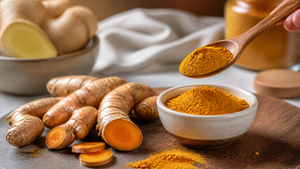

Bright yellow and unmistakably earthy, turmeric has traveled from ancient kitchens to modern spice racks without losing its character. If you've only ever seen it in a jar of curry powder, you're in for a treat: on its own, it brings a gentle bitterness and a warm, musky depth that can quietly transform a dish. The key is knowing how to handle it — fresh or ground, early in the cooking or as a finish, and always with a light hand.
Turmeric's color is so potent it was once nicknamed “Indian saffron,” and that vivid orange-gold is as much a visual promise as it is a warning to grab an apron. Whether you're stirring it into rice, simmering it into a soup, or blending it into a latte, a few simple techniques make the difference between a balanced, fragrant meal and something that tastes like a dusty pantry. Here's how to get comfortable cooking with turmeric, from picking the right form to fixing the most common stumbles.
Before You Start: Understanding Turmeric’s Flavor and Forms
Turmeric’s flavor is complex, but not in a showy way. According to Forks Over Knives, it’s earthy, slightly bitter, and almost peppery when raw, though cooking mellows its bite. That bitterness is why you often see it paired with coconut milk, ginger, or a pinch of sweetness — the fat and sugar round it out. The color, meanwhile, is all natural, and it stains with a vengeance, so handle it like you would beets.
You’ll find turmeric in two main forms: fresh root and dried ground powder. Fresh turmeric looks like a small, knobby ginger relative, with thin brown skin and bright orange flesh. It’s juicier and more floral, while ground turmeric is concentrated and intense. The source offers a handy substitution: 1 tablespoon of grated fresh turmeric equals 1 teaspoon of ground. That’s worth remembering if a recipe calls for one and you only have the other.
Storage matters more than you might think. Ground turmeric begins to lose its pungency after about a year, so that jar at the back of the cabinet might be more color than taste. Fresh root keeps in the fridge for 2–3 weeks, or you can freeze it for up to a year — grate it straight from frozen and it’s nearly as convenient as the powdered stuff. If you’re not sure how old your ground turmeric is, give it a sniff; if it smells like nothing, it’ll taste like nothing.
Choosing Your Turmeric
Where you buy turmeric can affect the freshness you get. For both fresh root and high-quality ground turmeric, our Turmeric collection is a convenient starting point. Look for roots that are firm and plump, not shriveled or soft, and ground turmeric that’s a deep, vibrant orange-yellow. A dull brownish tint often signals age. The best flavor comes from recently harvested or freshly ground turmeric, so buying from a source that turns over stock quickly gives you an edge.
Step-by-Step: How to Cook with Turmeric
Turmeric is surprisingly versatile — it belongs in more than just curry. It can add a warm, earthy note to soups, stews, rice dishes, and even smoothies. The trick isn’t complexity; it’s a few simple habits that let the spice shine without overpowering everything else.
One of the most reliable tips from the Forks Over Knives source is to add turmeric early in the cooking process. Whether you’re sautéing aromatics, building a soup base, or simmering a stew, letting turmeric cook with the fat and heat allows its flavor to mellow and blend. It loses that raw, sharp edge and becomes a warm background note. If you toss it in at the end, you’ll often get a harsher, more astringent taste.
Another trick worth adopting: pair turmeric with black pepper. For centuries, cooks have combined the two in everything from spice blends to golden milk, and while the practice may have roots in traditional Ayurvedic kitchens, it also happens to be a pragmatic move. As the source notes, black pepper is thought to help the body absorb curcumin, the compound that gives turmeric its yellow color. That’s a cooking tip, not a health promise, but it’s a simple partnership that makes sense in the kitchen.
Start small. When you’re experimenting, add less than you think you need — perhaps a quarter teaspoon of ground turmeric for a pot of rice or a pinch in a smoothie. You can always add more, but a heavy hand can turn a dish bitter and unpalatable. Turmeric’s flavor is more assertive than it looks, so let it build gradually. As you grow familiar with it, you’ll find the right balance for your palate.
For a quick win, try stirring a bit of turmeric into the water when you cook rice. The grains soak up the color, turning a cheerful golden, and the spice adds a subtle earthiness that pairs beautifully with roasted vegetables or a simple dal. In smoothies, a tiny amount (alongside mango, banana, or peach) adds a sunny hue and a faint, intriguing warmth that doesn’t clash with fruit. And in curries, of course, it’s a foundational note — toast it in oil with mustard seeds and cumin, and you’ve built a base that carries the whole dish.
Simple Turmeric Recipe Ideas to Get Started
If you’re looking for a place to jump in, these three recipes from Forks Over Knives show off turmeric’s range, from a comforting drink to a vibrant side dish and a hearty soup. Each one is simple enough for a weeknight and forgiving enough to tweak as you go.
Golden Milk Latte
A warming, spiced drink that’s become a modern staple, golden milk combines turmeric with plant-based milk, a touch of sweetener, and warming spices like cinnamon and ginger. The source suggests starting with a cup of unsweetened almond or oat milk, whisking in half a teaspoon of ground turmeric, a pinch of black pepper, and a drizzle of maple syrup or a date for sweetness. Heat gently, whisking often, until steaming and fragrant. The turmeric adds both the golden color and a gentle, earthy backbone. For a creamier result, a splash of full-fat coconut milk works beautifully.
Turmeric Rice
This vibrant side dish is as easy as it is striking. According to the source, you simply sauté a little onion or garlic in oil, stir in your rice, then add water or broth along with a teaspoon of ground turmeric (or a tablespoon of grated fresh) and a pinch of salt. Cook until the rice is tender and fluffy. The color is the real showstopper — a warm, golden yellow that makes any plate look more inviting. For variations, try throwing in a cinnamon stick, a few cardamom pods, or a handful of raisins. The subtle earthiness plays well with coconut milk-based curries or a simple bean stew.
Lentil and Turmeric Soup
A hearty, comforting soup that leans on turmeric’s ability to deepen flavors as it simmers. The source describes a straightforward method: sauté onions, garlic, and perhaps a bit of carrot in a pot with oil, then stir in a teaspoon of ground turmeric and a pinch of black pepper. Add red lentils, vegetable broth, and maybe a bay leaf, then let it all bubble away until the lentils collapse into a thick, nourishing soup. Turmeric here doesn’t scream for attention; it melds into the lentils, giving the soup a subtle warmth and a beautiful golden-red hue. A squeeze of lemon at the end brightens everything.
Common Turmeric Cooking Mistakes to Avoid
Even a spice as straightforward as turmeric has its pitfalls. The most common one is using too much. Because ground turmeric’s flavor is concentrated, it’s easy to overdo, and the result is a dish that tastes unpleasantly bitter and dusty. Start with a small pinch and taste as you go — you can always add more, but you can’t take it back.
Another mistake is reaching for an old jar. Ground turmeric that’s been sitting for more than a year loses much of its pungency, leaving you with color but little flavor. Treat it like any dried herb: if it’s lost its aroma, it’s time to replace it. Also, don’t skip the fat and heat. Turmeric’s flavor compounds are fat-soluble, so cooking it in oil or adding it to a dish that contains some fat helps release its full character. Cold or dry sprinkle-it-on-after methods often leave it tasting thin and one-dimensional.
Finally, be aware of the staining. Fresh turmeric can turn your fingers, cutting board, and countertops a cheerful, stubborn yellow. It’s not harmful, but it can be startling. Wearing gloves or rinsing surfaces immediately with warm soapy water will save you from being marked by your cooking.
Troubleshooting: Fixing Turmeric Issues in the Kitchen
If you’ve gone a little too heavy and the bitterness is taking over, don’t panic. A small amount of sweetness — a pinch of sugar, a drizzle of honey, or a splash of coconut milk — can help balance things out. Acidity works, too: a squeeze of lemon or lime juice can cut through the harshness and bring the dish back into harmony.
When turmeric stains a countertop or a plastic spatula, move fast. Make a paste of baking soda and water, rub it onto the stain, and let it sit for a few minutes before scrubbing. A cut lemon rubbed over the spot can also help lift the color. For hands, a little oil and salt scrub followed by soap often does the trick.
If the flavor feels too subtle even after cooking, try blooming the turmeric. Heat a bit of oil in a pan, add the ground turmeric, and stir it for about 30 seconds until it becomes fragrant and slightly darker. This quick step intensifies the flavor and gives whatever you’re making a richer, rounder taste. It’s a small move that can rescue a dish that’s fallen flat.
