
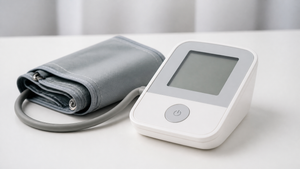

A blood pressure reading in a doctor’s office can give you a snapshot — but it’s not always the whole picture. For many people, the stress of the clinical setting temporarily raises their numbers, a condition known as white coat hypertension. Others experience the opposite: masked hypertension, where readings appear normal in the office but spike at home. Both can mask your true cardiovascular risk.
The American Heart Association emphasizes that home monitoring can help untangle these patterns, providing a clearer picture of your blood pressure over time. When done correctly, it offers a series of readings that you can share with your doctor to fine-tune your treatment plan.
Why Home Blood Pressure Monitoring Matters
In-office blood pressure measurements can be misleading. White coat hypertension affects up to 15 to 30 percent of people with elevated office readings, according to the American Heart Association. Those individuals may be prescribed medication they don’t need. Masked hypertension, on the other hand, leaves elevated readings undetected, potentially delaying treatment. The American Medical Association notes that home monitoring improves the accuracy of blood pressure assessment and helps patients and doctors see how well treatments are working. Home readings are not a substitute for regular checkups, but they can reveal trends that office visits alone might miss. When used consistently, at-home monitoring can provide a clearer picture of cardiovascular risk, helping you and your doctor decide if adjustments are needed.
What the Experts Say: AHA and AMA Guidelines
The American Heart Association recommends out-of-office monitoring to confirm a hypertension diagnosis and to guide treatment. The American Medical Association reinforces this, advising that validated, automated upper-arm cuff devices are the standard for home use. The AMA also cautions that wearable devices, including smartwatches, are not yet accurate enough for clinical blood pressure management. The threshold for stage 1 hypertension is now 130/80 mm Hg, a change from the previous 140/90 mm Hg. That lower number means more people may be aware of elevated blood pressure earlier, but it also underscores the need for precise readings to avoid unnecessary treatment. Both organizations stress that home readings should be shared with your physician. Treatment adjustments — whether starting, changing, or stopping medication — should never be based on a single home measurement.
Risks of Inaccurate Readings and How to Avoid Them
Even a small mistake in measurement can throw off a reading by several points. The American Heart Association identifies common errors: talking or moving during the measurement, crossing your legs, having a full bladder, or using a cuff that’s too small. Drinking caffeine or exercising within 30 minutes can also temporarily raise your numbers. When readings are consistently off, it can lead to unnecessary medication changes or a false sense of security. Masked hypertension is especially tricky: because in-office readings look fine, you might not think to monitor at home, and the elevated pressure goes undetected. False reassurance can delay treatment for months or years. The AMA argues that proper technique reduces errors and improves reliability, making it a critical step you can control. A well-fitted cuff and a few minutes of quiet rest can make the difference between a reliable reading and a misleading one.
How to Take an Accurate Blood Pressure Reading at Home
Getting a trustworthy reading at home isn’t complicated, but it does require a few consistent habits. The following steps, drawn from AHA and AMA guidance, can help you get numbers that are ready to share with your doctor.
Before You Start: Preparation
For at least 30 minutes before you measure, avoid caffeine, smoking, and exercise. These can raise your systolic pressure by 10 to 20 mm Hg or more in some people. Empty your bladder — a full bladder can add 10 to 15 points to a reading. Then sit quietly in a chair with back support for 5 minutes. The AHA emphasizes that even a short rest in a calm environment helps your body settle to a resting state.
Proper Cuff Placement and Positioning
Use a cuff that fits your arm. The AMA notes that many adults need a large cuff, and using one that’s too small can overestimate pressure. Wrap the cuff on your bare upper arm, just above the bend of the elbow, with the tubing centered over the front of your arm. Rest your arm on a table so the cuff is at heart level, and keep your palm facing up. Your feet should be flat on the floor, and your back supported. Don’t cross your legs.
Taking the Reading
Once you’re in position, start the monitor and stay still. Don’t talk, and breathe normally. The AHA recommends taking two or three readings, spaced about 1 minute apart. Use the average of these readings as your measurement for that session. Aim to measure at the same times each day — for example, in the morning before you take medication and again in the evening. Consistency helps your doctor spot trends.
Recording and Sharing Your Numbers
Keep a log with the date, time, and each reading. Many monitors can store data, but a written record is easy to share. Bring your log to appointments. The AMA stresses that home readings are most useful when they become part of the conversation with your physician. Don’t adjust your medication on your own, even if you notice a pattern. A single high reading doesn’t mean your treatment is failing, just as a single low reading doesn’t mean you’re cured.
Choosing a Home Blood Pressure Monitor: What to Look For
Not all home monitors are created equal. The AHA and AMA recommend choosing a validated, automated, upper-arm cuff monitor. Wrist and finger monitors are less reliable, and wearable devices like smartwatches remain experimental for clinical use. Before you buy, check a few key features.
Validation: Look for Clinical Approval
A validated device has been tested against established standards to ensure it gives accurate readings. You can look up a monitor’s validation status at validatebp.org, a public database maintained by the American Medical Association and other organizations. This is the quickest way to confirm that a specific model has passed independent testing. If a monitor isn’t listed, it may still be accurate, but validated devices offer a stronger evidence base.
Upper Arm vs. Wrist and Wearables
The AMA is clear: validated upper arm automated devices are the preferred choice for home monitoring. Wrist monitors are more sensitive to arm position and body movement, which can throw off readings. The American Medical Association states that wearable devices, including the Apple Watch, are not yet accurate enough for clinical blood pressure management. Some wearables have received FDA clearance based on comparability to other devices, not on independent accuracy verification. For now, they can show trends but shouldn’t guide treatment decisions. If you’re shopping for a monitor, consider browsing our home blood pressure monitors collection for validated options.
Frequently Asked Questions About Home Blood Pressure Monitoring
What if I get a single very high reading?
A single high reading is not an emergency. Rest for a few minutes and recheck. If your systolic pressure is consistently above 180 mm Hg and/or diastolic above 120 mm Hg, the American Heart Association advises contacting your doctor immediately. For repeated high readings, share your log with your physician.
Are wearable blood pressure monitors accurate?
The American Medical Association says wearable devices, including smartwatches, are not yet accurate enough for clinical blood pressure management. Some have FDA clearance based on comparability, not independent accuracy testing. They can show trends but shouldn’t be used to adjust medication.
How often should I check my blood pressure at home?
The AHA recommends checking twice daily — in the morning and evening — to capture trends. Take two or three readings each time and log the average. Follow your doctor’s specific schedule, as frequency may vary based on your treatment plan.
