

The Power of Self-Massage at Home
Self-massage is a practical, effective method for relieving muscle tension and addressing trigger points without leaving your home. By choosing to incorporate self-care into your daily routine, you can manage stress and muscle soreness on your own terms. For precise, localized relief, the Tidesmit Stainless Steel Gua Sha Massage Tool for Relief allows you to target tissue adhesions effectively, whereas manual tools like a simple tennis ball or foam roller offer versatile alternatives for addressing larger muscle groups.
The primary benefits of this practice include improved circulation, decreased anxiety, and enhanced mental alertness. Beyond these wellness gains, self-massage serves as a cost-effective and time-efficient alternative to professional therapy, providing you the flexibility to address discomfort in the office, while traveling, or during downtime at home. If you are experiencing neck or upper back stiffness, the Tidesmit Electric Neck Massage Pillow 45°C Heat serves as a reliable, hands-free solution that uses targeted vibration and heat to soothe deep-seated muscle knots.
When performing these techniques, always begin with light pressure and increase intensity to a strong but tolerable level. Avoid overworking any single area, as sessions of one to two minutes are typically sufficient to achieve results. Consistency is vital, yet so is recovery; always conclude your routine with gentle stretching of the treated muscle area to maximize your therapeutic gains and maintain long-term physical comfort.
Essential Preparations for Success
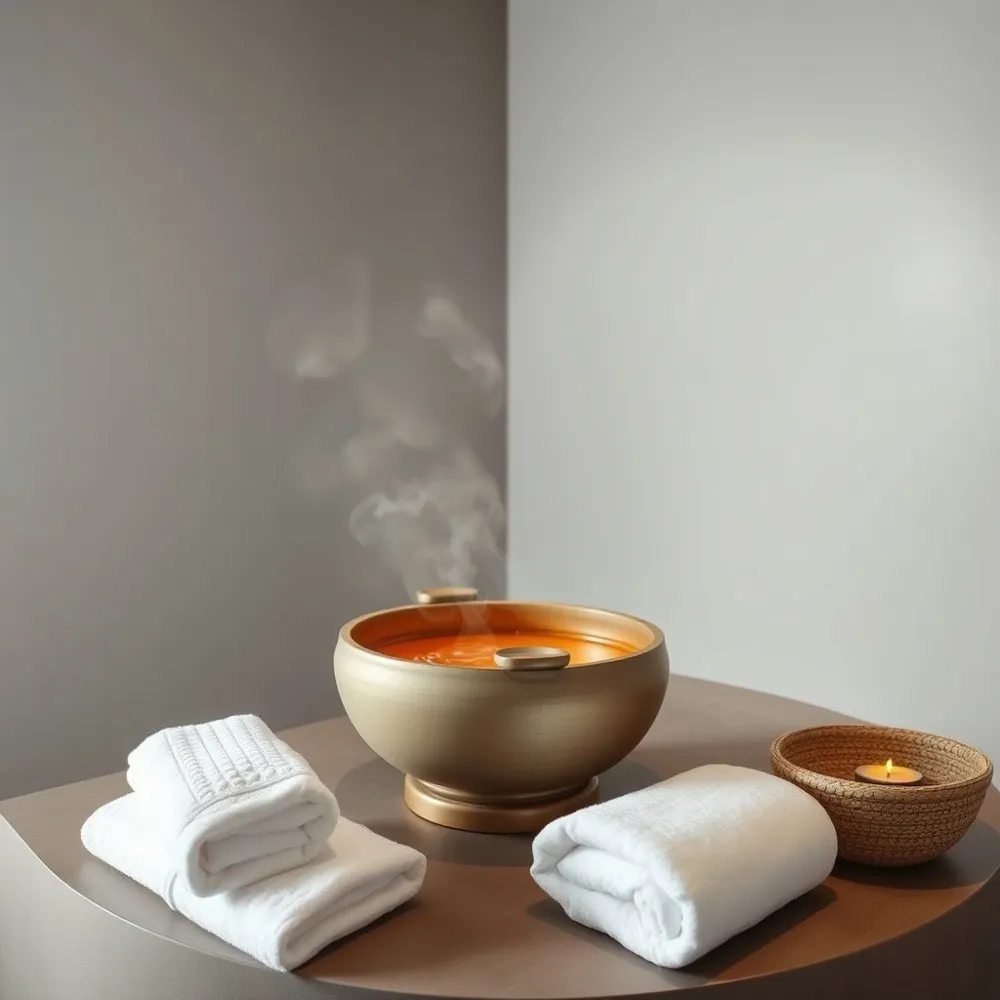
Creating a foundational environment is the first step toward an effective session. Lowering your indoor lighting and playing quiet, rhythmic music can help calm the nervous system for deeper relaxation. To enhance the experience, warm your massage oil by placing the bottle in a bowl of hot water. This adjustment prevents the shock of cold liquid against sensitive skin and improves the overall gliding action of your strokes.
Physically preparing your body ensures you remain comfortable throughout the process. Taking a hot shower before you begin helps loosen tight muscle fibers, making them more receptive to your touch. Additionally, always perform gentle, deliberate stretches for your hands and wrists before starting. This simple routine prevents your own muscles from tiring prematurely and helps you maintain consistent, fluid motion without causing strain.
When beginning your actual routine, prioritize a gradual transition to deeper tissue work. Start with light pressure to assess your comfort level, increasing the intensity to a strong but tolerable level only after your body has acclimated to the sensation. If you need to manage persistent neck stiffness, the Tidesmit Electric Neck Massage Pillow 45°C Heat offers an accessible way to integrate soothing warmth and mechanical relief into your daily routine. Always prioritize communication during self-massage and stop immediately if you experience sharp pain or discomfort.
What are the most effective massage techniques for beginners?
For beginners, effective massage techniques include a combination of foundational strokes like effleurage, petrissage, compression, and various friction methods such as circular or cross-fiber friction. Before beginning, it is essential to stretch your own hands and wrists to prevent strain and prepare for fluid movement. Begin by creating a relaxing environment, using high-quality massage oil or lotion to ensure your hands glide smoothly over the skin. When working on specific areas like the back, neck, or shoulders, prioritize consistent communication with the receiver to adjust pressure based on their feedback. Finally, remember to encourage the receiver to drink plenty of water after the session to remain hydrated and help flush out released toxins.
Everyday Items as Massage Tools
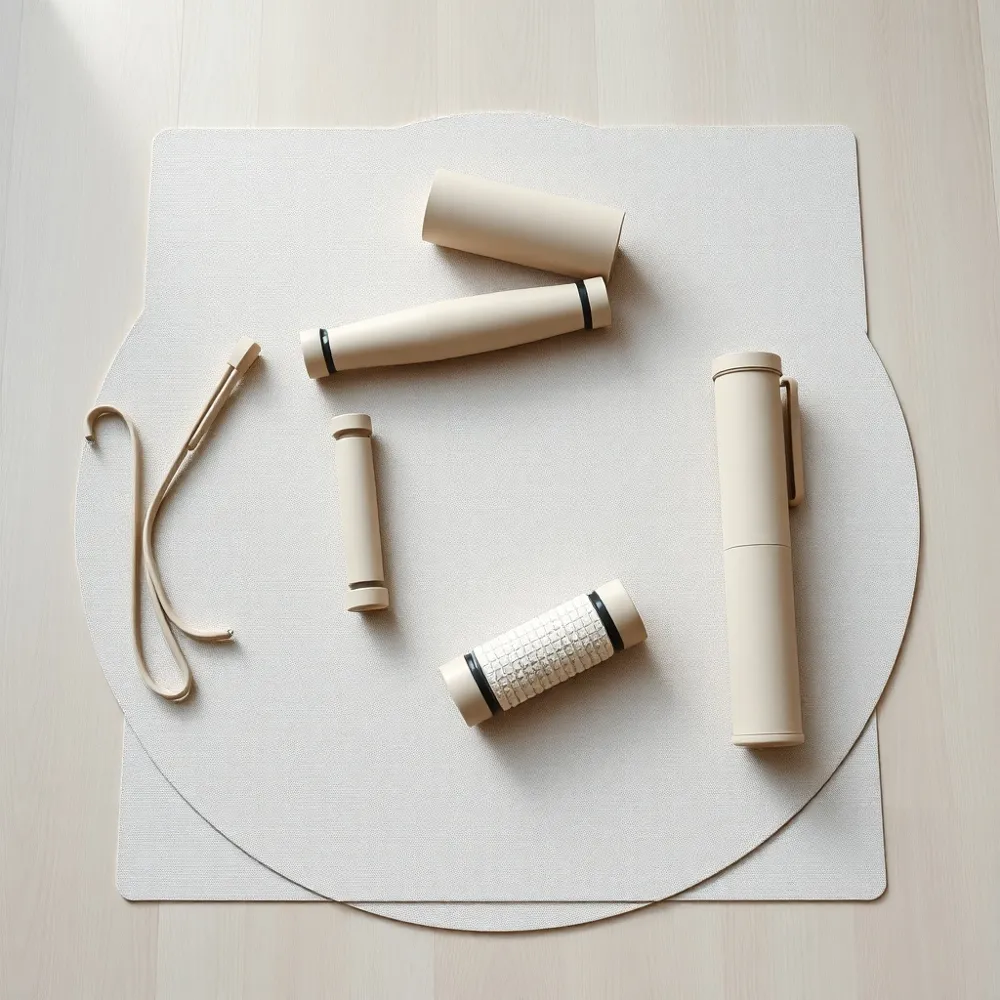
Effective self-massage can be easily achieved using common household items, which provide a cost-effective way to target muscle tightness and trigger points. When your muscles are tight, consider using a Tidesmit Stainless Steel Gua Sha Massage Tool to apply precise pressure or help sweep away fascial adhesions.
- Tennis balls are versatile tools for the back, feet, glutes, and shoulders; place the ball between your body and a wall or the floor to leverage your weight for controlled, deep-tissue pressure.
- Using two tennis balls inside a sock allows you to place them on either side of the spine or neck, ensuring stable, symmetrical release without the balls rolling away.
- A golf ball provides a harder surface for targeted relief in smaller areas, such as specific trigger points in the forearms or the arches of the feet.
- Rolling a frozen water bottle under the feet for several minutes acts as an effective treatment for tired arches and symptoms commonly associated with plantar fasciitis.
- A standard wooden rolling pin is ideal for the hamstrings, quadriceps, and calves, helping to break up superficial tension with rhythmic, back-and-forth strokes.
- A lacrosse ball is denser than a standard tennis ball, making it the preferred choice for accessing deep, isolated tight spots in the glutes, chest, and trapezoid muscles.
Always prioritize safety by avoiding bony prominences and sharp edges when using these objects. If you find standard household items lack the ergonomic grip required for extended relief, the Tidesmit Electric Neck Massage Pillow provides consistent 3D deep tissue stimulation with a 45°C heat feature to boost circulation and muscle recovery.
Techniques for Neck and Shoulders
The neck and shoulders are common sites for tension caused by poor posture or static desk work. You can address the upper trapezius by firmly squeezing the muscle with your fingers, or by applying steady pressure at the base of the skull. For localized knots, move your fingers in small circular motions over the area for 3 to 5 minutes to help ease stiffness.
To reach deeper shoulder knots, lean against a wall with a tennis ball positioned between the wall and your tightest spot. If you prefer manual relief, gently knead the muscle tissue starting just above the collarbone and moving slowly toward the shoulder for 2 to 3 minutes per side. This approach mirrors the therapeutic intensity of the Tidesmit Electric Neck Massage Pillow 45°C Heat, which provides targeted 3D deep tissue relief while you maintain a comfortable, relaxed position.
Always finish these techniques with gentle neck rolls to encourage circulation. If you experience persistent sharp pain, avoid deeper manual pressure and consult a physical therapist for a tailored recovery plan.
Addressing Back and Lower Body Pain
Targeting persistent soreness in the lower back and legs requires consistent, controlled pressure. For lower back relief, place a tennis ball against a wall and lean into the area, or roll gently over a foam roller positioned just above the hips. Those seeking a deeper release for the glutes and hips can place a ball under these muscles while seated on the floor, moving in small circles to address stubborn trigger points.
Larger muscle groups, such as the quadriceps, IT bands, hamstrings, and calves, benefit from the wide surface area of a foam roller. If a foam roller is unavailable, a firm kitchen rolling pin provides a similar, effective method for breaking up fascial tension. While you can opt for professional-grade gear, for targeted deep tissue relief, our Tidesmit Stainless Steel Gua Sha Massage Tool for Relief allows for precise navigation of muscle knots compared to generic plastic scrapers.
Always conclude your session with a seated forward bend. Keeping your back straight while reaching toward your toes helps lengthen the hamstrings and releases residual tension in the lower back and shoulders. As with any recovery routine, maintain hydration after your session to aid muscle processing and recovery.
Relieving Hand and Foot Tension
For those who spend extended hours at a keyboard, repetitive motion can cause significant strain. Hand-focused techniques help minimize this discomfort. You can apply firm, circular pressure to the palms and wrists, and gently move the tissue between the thumb and fingers to release accumulated tension. To avoid hand fatigue, consider the Tidesmit Stainless Steel Gua Sha Massage Tool for Relief, which allows for precise, deep-tissue pressure without relying solely on your own manual strength.
Foot relief is equally accessible using simple household items. Rolling a tennis ball or golf ball under your bare foot in small circles provides targeted pressure to the arch and heel. For those managing discomfort associated with plantar fasciitis, rolling a frozen water bottle under the sole of your foot offers both cold therapy and massage simultaneously. Unlike generic approaches that require you to hold tension during the process, using the right gear or simple implements aids in better recovery.
Always conclude these sessions with gentle stretching to maintain flexibility and maximize your results. Regularly checking in with your physical comfort ensures these routines remain an effective part of your daily self-care regimen.
Professional-Grade Tools Worth Investing In
When home maintenance goes beyond simple household items, investing in professional-grade equipment can significantly enhance your recovery outcomes. If you seek deep tissue relief, percussion massage guns provide rapid, pulsating pressure to fatigued muscles. For those experiencing persistent neck and back stiffness, the Tidesmit Electric Neck Massage Pillow 45°C Heat offers a tailored solution by integrating 3D Shiatsu-style kneading with consistent thermal therapy, which helps to soothe deep-seated tension often left unaddressed by static tools.
For localized trigger point relief, dedicated canes like the Theracane or specific knobs allow for precise application of force without exhausting your own hands, a common issue when manually targeting hard-to-reach areas. For users desiring a full-body experience rather than manual spot treatment, automated chairs from brands like Osaki deliver a comprehensive therapeutic cycle. While some competitors rely on generic vibration, professional-grade systems often prioritize variable intensity to ensure muscles remain relaxed rather than defensive.
Supporting your tactile tools with high-quality lubricants is equally important for maintaining healthy tissue during frequent use. Professional-grade massage oils and rich crèmes ensure a smooth gliding motion, preventing friction-related skin irritation during extended sessions. Those interested in advanced recovery might also experiment with home cupping therapy sets, which use suction to decompress fascia and improve localized circulation much like a clinical sports therapist would. By elevating your hardware, you can achieve a level of sustained care comparable to visiting a professional clinic.
Couples Massage at Home
Transforming your living space into a restorative environment is the first step toward effective partner-based care. Start by setting a tranquil tone with soft lighting and quiet music. Prepare your station by laying down old towels or blankets to protect surfaces from oils, and ensure your partner is comfortable by using pillows under the chest or head during the session. While professional-grade relaxation is the goal, comfort and safety should always take priority over technique.
Proper body mechanics are essential to ensure the giver does not experience fatigue. When applying pressure, keep your back straight and lean into the strokes, utilizing your body weight rather than straining your hands. Use your entire palm and the undersides of your fingers to maintain consistent, rhythmic contact as you glide across the back, shoulders, arms, and legs. For those seeking professional-level support, the Tidesmit Electric Neck Massage Pillow offers a specialized way to address intense tension; unlike manual efforts which can cause thumb and wrist strain, this tool delivers deep 3D relief and heat to reach difficult areas without requiring heavy physical exertion.
Safety involves specific anatomical awareness. Always avoid applying direct, deep pressure to bony areas such as the spine, knees, or shins, as this can cause discomfort or injury. Communication remains the most vital tool in your repertoire. Regularly ask your partner if the pressure levels are manageable and be prepared to adjust your intensity instantly. If you are addressing targeted knots found on your partner, consider the Tidesmit Stainless Steel [Gua Sha](https://health.clevelandclinic.org/why-gua-sha-might-be-good-for-you) Massage Tool as a way to safely decompress tissues; it provides precise control for scraping fascia compared to the broader, less targeted movements of a standard manual hand massage. Conclude your session with a moment of grounding, such as deep, synchronized breaths, to acknowledge the time shared and complete the cycle of mutual care.
Self-Massage for Chronic Pain Conditions
Managing chronic pain often requires a multifaceted approach, and self-massage can serve as a supportive tool for conditions such as piriformis syndrome, fibromyalgia, and neuropathy. For those experiencing piriformis syndrome, using a foam roller or a tennis ball to apply targeted pressure to the gluteal region can help ease deep muscle tension that contributes to radiating discomfort. While these home techniques are effective, integrating them with sessions from a professional therapist remains a foundational practice for those seeking more nuanced care.
For individuals living with fibromyalgia, research suggests that regular massage may reduce overall pain intensity and enhance well-being by calming the nervous system. Similarly, those managing neuropathy may find that gentle massage promotes blood flow and reduces the muscle tightness that often accompanies nerve-related conditions. If you are interested in deep-tissue relief, the Tidesmit Stainless Steel Gua Sha Massage Tool for Relief can provide a controlled way to address fascial tightness across larger muscle groups.
Consulting a healthcare provider before starting a self-massage routine is essential, particularly if you experience sensory sensitivities, skin fragility, or other complications. Ensure that your sessions are always performed within tolerable pain limits, as over-exertion can exacerbate existing issues. For those requiring specific targeted heat during their recovery phase, the Tidesmit Electric Neck Massage Pillow 45°C Heat offers a consistent, soothing experience that complements manual techniques by relaxing the tissues before further manipulation.
Safety and When to Seek Professional Help
Self-massage acts as an accessible method to manage muscle discomfort, yet it serves as a supplement to, rather than a replacement for, professional medical care. Prior to using any self-massage tools or techniques, individuals should consult with a healthcare professional if they are pregnant, recovering from surgery, or have conditions such as osteoporosis, varicose veins, or blood clotting disorders.
- Avoid applying pressure to areas with inflammation, bruising, open wounds, or infectious skin conditions.
- Refrain from performing deep tissue work on the anterior or posterior triangles of the neck, the spinal column, or the umbilical area.
- Never use percussion massagers or massage guns on the neck, as applying pressure near the carotid arteries can restrict blood flow and pose serious health risks.
- Stop immediately if pain increases during or after a session and seek evaluation for any soreness that persists or worsens.
When you require relief that extends beyond mild muscle tension, consider the Tidesmit Electric Neck Massage Pillow to target neck stiffness and provide deep tissue support safely. If your pain is related to chronic injuries or acute overuse, guided sessions with a physical therapist helps identify root causes that basic home tools cannot address.
Integrating Self-Massage into Your Routine
Adopting self-massage as a daily hygiene habit, much like brushing your teeth, offers a sustainable way to manage muscle tension. Dedicating just 5 to 10 minutes each day allows you to target tightness before it manifests as chronic pain. This practice serves as a cost-effective complement to professional therapy, empowering you to address soreness on your own schedule.
- Perform sessions before sleep to help your body transition into a restful state.
- Combine your technique with gentle stretching and adequate hydration to assist in recovery.
- Use tools like the Tidesmit Electric Neck Massage Pillow 45°C Heat to efficiently reach deep tissue knots.
- Integrate the Tidesmit Stainless Steel Gua Sha Massage Tool for Relief to safely release fascial adhesions that limit your range of motion.
