
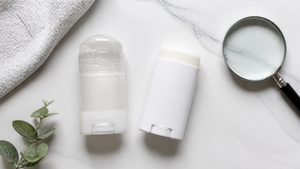

Few drugstore purchases come with as much cultural baggage as the stick, spray, or roll-on you swipe under your arms each morning. Deodorants and antiperspirants sit at the intersection of personal hygiene, cosmetic preference, and a long-running debate about aluminum, cancer risk, and what “natural” really means. It’s a product category that grew from a $70 million market in 1957 — when roughly half of American men had adopted some form of underarm product — to a multi-billion-dollar global industry, yet the basic questions persist: what’s the difference between the two, and do the scary headlines hold up?
Some of the confusion is baked into the language. People use “deodorant” as a catch-all, but the active mechanisms aren’t the same, and neither are the regulatory standards. The myths that surround these products often start from a kernel of real chemistry and then drift into overstated fears. Getting the facts straight can help you choose without anxiety, and perhaps save you from a rash while you’re at it.
Deodorant vs. Antiperspirant: What’s the Difference?
The distinction is simpler than the marketing suggests: deodorant targets odor, antiperspirant targets sweat. Deodorants work by making the underarm less hospitable to the bacteria that break down sweat into smelly compounds like trans-3-methyl-2-hexenoic acid — they may include antimicrobials, fragrances, or alcohol to neutralize or mask odor. Antiperspirants, on the other hand, contain aluminum-based compounds that temporarily plug sweat ducts, reducing the flow of perspiration from eccrine glands. As the Cleveland Clinic explains, less sweat means less bacteria, which means less odor, but the primary effect is about moisture control.
This difference in function also dictates how they’re regulated. In the United States, antiperspirants are classified as over-the-counter drugs by the U.S. Food and Drug Administration (FDA), which sets standards for safety and efficacy. Deodorants, meanwhile, fall under the cosmetic umbrella and aren’t subject to the same drug-approval process. The frequent conflation of the two categories fuels many of the myths examined below, because a concern about aluminum, for instance, applies to antiperspirants but not to most simple deodorant sticks.
Myth 1: Antiperspirants Cause Breast Cancer
The chain of reasoning sounds plausible on the surface: antiperspirants contain aluminum, they’re applied near the breast, and some aluminum compounds could be absorbed through the skin — perhaps after shaving nicks — and accumulate in breast tissue, potentially disrupting estrogen receptors. But the evidence hasn’t supported the leap from possibility to actual risk. The American Cancer Society and the National Cancer Institute have both stated that no strong or consistent scientific evidence links underarm antiperspirant use to breast cancer. A 2014 comprehensive review of 469 peer-reviewed studies on aluminum exposure found no clear association between aluminum and cancer, and the amount absorbed through antiperspirant use is negligible compared to the aluminum we ingest daily through food and water.
It’s a link that appears to have arisen from a misunderstanding of how the body processes aluminum, coupled with the fact that breast cancer often occurs in the upper outer quadrant of the breast, near the underarm. But that quadrant is also where the most breast tissue is located, so the proximity alone isn’t suspicious. What’s more, the FDA’s monograph on antiperspirant safety has long considered the products safe when used as directed. The scientific consensus today doesn’t guarantee zero risk for every individual, but it does mean the alarm isn’t backed by the evidence we have. The Cleveland Clinic concurs, noting that the myth has been investigated and dismissed by major health organizations.
Myth 2: Aluminum in Antiperspirants Is Dangerous
Aluminum’s reputation as a neurotoxin in certain contexts casts a long shadow, but the compounds used in antiperspirants — like aluminum zirconium tetrachlorohydrex gly — are not the same as the free aluminum ions that raise health concerns. The Scientific Committee on Consumer Safety (SCCS) of the European Union, in its 2020 opinion, set a limit of 10.60% aluminum in spray deodorants as safe for consumer use, after reviewing available data on dermal absorption. The FDA regulates antiperspirants as OTC drugs, requiring manufacturers to meet specific safety and efficacy benchmarks, and it has not found evidence of systemic toxicity from typical topical use.
Interestingly, the aluminum debate often overlooks the fact that “natural” crystal deodorants, made from alum, also contain aluminum — just in a different form. The body absorbs very little aluminum through the skin from antiperspirants; far more comes from everyday foods, antacids, and even drinking water. The real risk for most people is skin irritation, not internal harm. Some individuals may experience redness, itching, or a rash, especially if they apply antiperspirant right after shaving or have sensitive skin. That’s a practical concern, not a systemic one, and it’s a good reason to follow application instructions, not to fear the ingredient itself.
Myth 3: Natural Deodorants Are Always Better for You
“Natural” on a label can feel like a shortcut to safety, but skin chemistry doesn’t care about marketing categories. Many natural deodorants rely on essential oils, baking soda, or plant-based fragrances to combat odor, and those same ingredients are common triggers for irritant contact dermatitis. Fragrances and perfumes, whether synthetic or naturally derived, are among the top causes of skin reactions from deodorants. Alcohol-based natural formulas, meanwhile, can disrupt the skin’s acid mantle — the delicate pH 4.5–6 barrier that helps keep bacteria in check — leading to dryness and stinging.
That doesn’t mean synthetic antiperspirants are risk-free for everyone; skin irritation is highly individual. Many people use conventional antiperspirants with aluminum for years without any problem, while others react to baking soda or arrowroot powder in a “clean” stick. The choice between natural and conventional shouldn’t be driven by the assumption that one is inherently gentler. If you have sensitive skin, the ingredient list matters more than the “natural” badge. A fragrance-free, pH-balanced formula might serve you better than a heavily scented natural paste, and vice versa. Personal tolerance, not hype, is the better guide.
Choosing and Using Deodorant Wisely
One of the most practical tips for antiperspirant users comes from dermatologists and the Cleveland Clinic: apply it at night. This gives the aluminum compounds six to eight hours to form a shallow plug in the sweat ducts while you’re sleeping and sweat glands are less active. By morning, the product has done its work, and you can wash off any residue without sacrificing protection. For those with sensitive skin, a patch test on a small area of the inner arm is a smart move before committing to a new formula, especially if it contains alcohol or strong fragrances. Looking for pH-balanced products that respect the skin’s acid mantle (pH 4.5–6) can also reduce the odds of irritation.
If you’re exploring options beyond the traditional stick, the category has expanded to include whole-body deodorants designed for more than just underarms. Secret’s Whole Body Deodorant line, for example, is formulated for use on areas like the chest, back, and even below the belt, but always check the product label for approved application sites. These products target odor, not sweat, and can be a helpful addition if you’re dealing with perspiration in multiple spots.
An Aluminum-Free Option: Whole Body Deodorant Spray
The Secret Aluminum Free Whole Body Deodorant Spray in Peach & Vanilla is an example of an aluminum-free formula that claims to fight 99% of odor-causing bacteria, including S. Epidermids, S. Hominis, and C. Tuberculostearicum. It’s designed for all-over body use, with a light peach and vanilla scent that masks odor without relying on heavy floral notes. Because it’s a deodorant, not an antiperspirant, it won’t reduce sweat, but it aims to keep you smelling fresh for up to 24 hours. For those who prefer a different fragrance, there’s also a Lilac & Waterlily variant. The aluminum-free line is a solid choice if you’re simply looking to manage odor across multiple body areas without the sweat-blocking effect of aluminum.
Frequently Asked Questions
Can I use deodorant on other parts of my body?
Yes, but only if the product is labeled for it. Some whole-body deodorants, like Secret’s, are formulated for use on chest, back, and other areas, but you should never assume a standard underarm stick is safe elsewhere. Alway check the label for specific approved sites to avoid irritation.
What’s the difference between clinical strength and regular antiperspirant?
Clinical strength antiperspirants contain a higher concentration of the active ingredient for people with excessive sweating (hyperhidrosis) or who find regular sticks insufficient. They’re still available over the counter but may come with specific application instructions, such as nighttime use, to maximize effectiveness.
Does antiperspirant completely stop sweating?
No, antiperspirants reduce sweat flow but don’t eliminate it entirely. The goal is to manage moisture, not block all perspiration, which is necessary for thermoregulation. You’ll still sweat, just less noticeably.
