
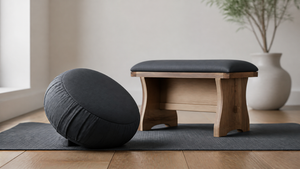

Cross-legged sitting on a hard floor can feel serene for a few minutes—then the ache creeps into your hips, your ankles start to complain, and your legs go numb. For many meditators, the difference between a session that ends in frustration and one that settles into a steady calm is the cushion beneath them.
Meditation cushions tilt the pelvis forward, helping the spine stack into a more natural alignment. That subtle shift can reduce the strain that builds during long sits, especially on unforgiving surfaces. The The Good Trade notes that worn-out cushions that flatten after heavy use and hard floors both contribute to discomfort and numbness. A cushion that’s too soft tends to collapse, while one that’s too firm can create new pressure points — so finding the right balance matters.
Why the Right Cushion Matters for Back Pain and Long Sits
When you sit cross-legged, the hips naturally roll backward. That rounds the lower back and puts the spine into a slumped position. A cushion raises the hips above the knees, which tilts the pelvis forward and encourages the spine to lengthen. This alignment can reduce the lower-back fatigue that often cuts a session short.
Hard floors magnify the problem. Without a supportive layer, ankles and knees bear concentrated pressure, and numbness can set in before the 30-minute mark. The Good Trade points out that cushions that have lost their loft—often after 1,000 hours of use—stop providing that lift, leaving meditators to fight the same discomfort they were trying to avoid. A cushion that’s firm enough to hold its shape but not so rigid that it digs into the sit bones tends to work best for longer sits, though the ideal fill varies from person to person.
What to Look for in a Meditation Cushion
The fill material largely determines how a cushion behaves. Buckwheat hulls create a firm, adjustable seat that conforms to the body and resists flattening. Kapok fiber—sometimes called silk cotton—offers a softer, more supportive feel and can be a better match for those who find buckwheat too dense. Both options address the common complaint of leg numbness, but the choice depends on whether you prefer a stable, grounded surface or a bit more give under your sit bones.
Shape influences hip angle and knee pressure. A round zafu lifts the seat and lets the hips drop naturally, making it a classic choice for cross-legged postures. Crescent and wedge cushions tilt the pelvis forward more aggressively, opening the hip flexors in a way that a round cushion can’t. Bean Products notes that crescent shapes can ease knee strain by shifting weight distribution, which is especially helpful for meditators with tight hips. Height also matters—a cushion that’s too low won’t lift the hips enough, while one that’s too tall can make the seat feel unstable.
For small meditation spaces or travel, a lightweight zafu is easier to stow than a bench. Meditate Mate uses a 1–10 Zen Score to gauge firmness and comfort, with a score of 8 indicating strong support that many users find sustainable for long sits. Practical details like a removable, washable cover and OEKO-TEX certified stitching—which sets a standard for reduced chemical exposure—can make a daily practice easier to maintain.
Best Meditation Cushions for Back Pain and Long Sessions
The Practice Meditation Cushion Set
This set pairs a zafu with a zabuton mat, a combination that cushions both the seat and the knees and ankles. The $128 package includes an adjustable buckwheat fill, so you can customize the firmness to your liking. The Good Trade highlights it as a plush, all-in-one solution for meditators who practice on hard floors and want full underfoot padding without buying separate pieces.
Avocado Organic Yoga Meditation Pillow
At $89, Avocado’s pillow uses organic buckwheat hulls that mold to the body, reducing the pressure points that can lead to numbness during extended sits. The OEKO-TEX certified stitching and natural materials appeal to anyone prioritizing a chemical-free practice. The fill is firm, so it holds its shape well, though some users may find it takes a few sessions to break in.
Waterglider Buckwheat Filled Round Meditation Pillow
Meditate Mate gives this round zafu a Zen Score of 8, noting strong support and consistent comfort. The dense buckwheat fill keeps the hips elevated for cross-legged sitting, and the compact shape travels more easily than a bench. It’s a straightforward, budget-friendly pick for those who want a traditional zafu without a complicated setup.
Pure Chakra Co Inner Chakra Zafu Cushion
An 18-inch diameter gives this $60 cushion generous seating room, which can be especially welcome for larger-bodied meditators. The botanical-dyed covers are soft and finished with a removable, washable layer—a practical touch for regular cleaning. The vegan buckwheat fill stays supportive without animal-derived materials, and the wide surface keeps the hips from feeling cramped.
Crescent Wedge Meditation Cushion
The wedge shape tilts the pelvis forward more deliberately than a round cushion, easing lower back strain. According to comparative feedback, the Cosmic Wedge model allows about 28 minutes of sitting before leg numbness sets in, a noticeable improvement over flatter cushions. For meditators with knee pain or tight hips who find firm zafus uncomfortable, this design offers a different pressure profile that can make a long session feel more sustainable.
| Product | Best For | Source-Reported Strength | Caveat |
|---|---|---|---|
| The Practice Meditation Cushion Set | All-in-one support on hard floors | Adjustable fill and zabuton mat for full leg cushioning | Larger footprint; not ideal for very small spaces |
| Avocado Organic Yoga Meditation Pillow | Sustainability-minded daily practice | OEKO-TEX certified, organic buckwheat hulls | Firm fill may need a break-in period |
| Waterglider Buckwheat Filled Round Meditation Pillow | Traditional zafu at a budget-friendly price | Zen Score of 8 from Meditate Mate | Round shape can slip on smooth floors |
| Pure Chakra Co Inner Chakra Zafu Cushion | Extra width and easy cleaning | 18-inch diameter, washable botanical-dyed cover | Large size may be cumbersome in tight storage |
| Crescent Wedge Meditation Cushion | Knee and ankle relief during long sits | Approx. 28 minutes of sitting before numbness | Less supportive for those who prefer a very firm seat |
Shop Our Full Meditation Cushion Collection
If you’re still unsure which shape or fill will work best for your body, the full Meditation Cushions collection gathers a range of styles, materials, and price points in one place. It’s a helpful destination to compare options beyond this curated list and find a cushion that matches your practice space and sitting habits.
Zafu vs. Bench: Which Gives You Better Support?
A meditation bench shifts weight off the knees and ankles by supporting a kneeling posture, which requires less hip flexibility than a cross-legged seat. A zafu, by contrast, raises the hips above the knees and encourages a tilt that aligns the spine. Bean Products explains that the bench reduces pressure on the lower legs, while the zafu helps the pelvis settle into a more upright position for traditional lotus or Burmese postures.
If you have tight hips or a history of knee injuries, a bench may feel more forgiving. If you’re comfortable sitting cross-legged and want that classic lifted seat, a zafu is the natural choice. Space is another factor: a zafu generally takes up less storage room than a bench. Neither is universally better—the right support depends on your flexibility and what parts of your body protest first during a long sit.
Tips for Staying Comfortable During Long Meditation Sessions
Small adjustments can make a big difference. Adding a zabuton mat underneath your cushion softens the floor contact and reduces pressure on the ankles and knees. If your cushion feels too low, try a folded blanket underneath to raise the height just enough to tip the pelvis forward.
Alternating between cross-legged and kneeling positions—even for a few minutes—can help you avoid numbness. Bean Products notes that switching between a bench and a cushion can distribute the load differently, giving overworked joints a break. For care, rotate buckwheat hulls every few months to maintain even support, spot-clean covers as needed, and consider refilling when the cushion starts to feel noticeably flatter.
Frequently Asked Questions About Meditation Cushions
How do I stop my legs from going numb during meditation?
Adjust your cushion height so your hips sit above your knees. A wedge-shaped cushion can tilt the pelvis and delay numbness—the Cosmic Wedge, for example, allows about 28 minutes of sitting before discomfort sets in. Alternating between cross-legged and kneeling positions can also help.
What’s better for back pain: zafu or bench?
It depends on your flexibility and knee health. Bean Products points out that a bench shifts weight off the knees and ankles, while a zafu raises the hips to align the spine. If you have tight hips, a bench may be easier; if you prefer a cross-legged seat, a zafu is likely more comfortable.
How do I clean a meditation cushion?
Many cushions, including the Pure Chakra Co and Avocado models, have removable, washable covers. Buckwheat-filled cushions usually need only spot-cleaning on the fabric and occasional hull replacement. Always check the care label before washing, and air-dry covers to avoid shrinkage.
